Dressing for your body type does not need to feel complicated. Most style advice becomes overwhelming because it focuses too heavily on strict rules, trends or unrealistic outfit ideas. In reality, a few simple principles can make everyday clothes feel much more flattering and comfortable.
The aim is not to hide your body or dress in a way that feels unnatural. It is to understand proportion, shape and balance so you can choose clothes that work with your figure instead of against it.
Whether you are athletic, petite, curvy, broad-shouldered or somewhere in between, these five simple styling tips can help you build outfits that feel more polished and effortless.
1. Understand Your Natural Proportions
The first step is understanding your body shape properly. You do not need exact measurements or complicated calculations. Simply pay attention to where clothes usually feel tight, loose or awkward.
Ask yourself:
- Are your shoulders broader than your hips?
- Is your waist clearly defined?
- Do dresses tend to hang straight?
- Do trousers fit your waist but not your thighs?
- Do jackets feel restrictive at the shoulders?
These small clues help you understand which cuts are likely to suit you best.
For readers still figuring this out, what body type are you is the ideal starting point before building outfits around your shape.
2. Create Balance Within The Outfit
The most flattering outfits usually feel balanced. If one part of the body is visually stronger, softer styling elsewhere often helps.
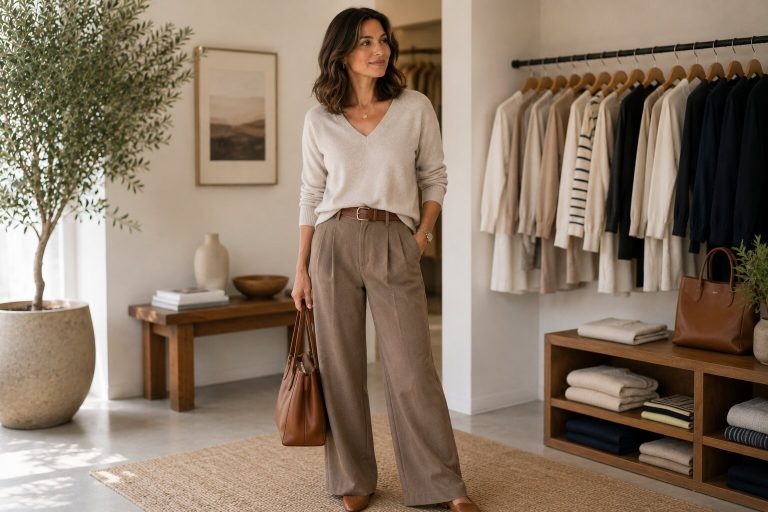
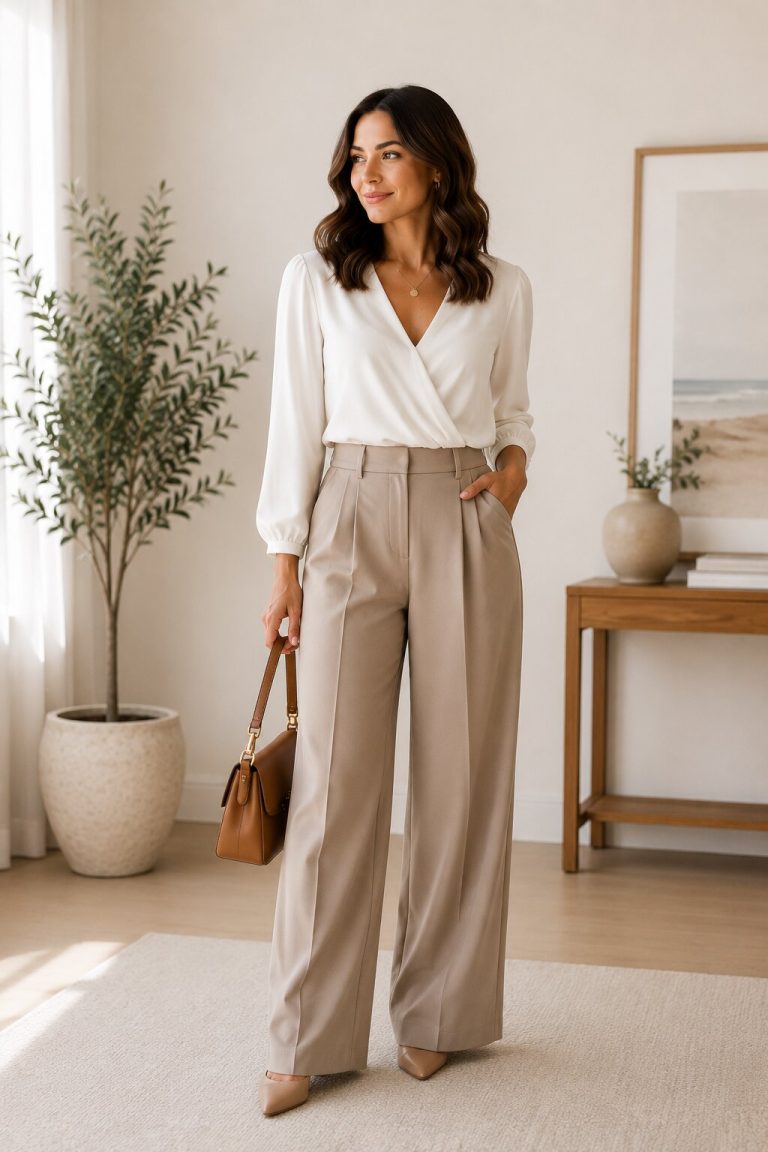
For example, broad shoulders can be balanced with wide-leg trousers or flowing skirts. Athletic figures often suit softer fabrics and waist definition. Petite frames usually look best when proportions stay neat and streamlined.
Balance can come from:
- Necklines
- Fabric movement
- Trouser shape
- Jacket length
- Waist definition
- Sleeve style
This does not mean every outfit needs to be perfectly symmetrical. It simply means the overall silhouette should feel intentional.
Readers concerned about shoulder balance may also find fashion tips for women with broad shoulders especially useful.
3. Pay Attention To Fabric
Fabric changes how clothes sit on the body. This is one of the most overlooked styling details.
Stiff fabrics hold shape outward, which can add bulk or structure. Soft fabrics skim more naturally and often create a more flattering silhouette.
Athletic and broad-shouldered body types often benefit from softer fabrics that reduce sharp lines. Petite figures may prefer lighter fabrics that do not overwhelm the frame. Curvier shapes may suit fabrics that define gently without clinging too tightly.
Good wardrobe fabrics often include:
- Soft cotton
- Jersey
- Linen blends
- Fine knits
- Draped viscose
- Stretch denim
- Lightweight satin
Fabric affects comfort just as much as appearance.
4. Define The Waist When Needed
Waist definition is one of the easiest ways to create shape. This does not mean everything needs to be fitted or belted tightly. Even a small amount of structure can help.
High-waisted jeans, wrap dresses, tucked tops, belted coats and shaped jackets can all create balance naturally.
If your outfits often feel shapeless, this is usually the first thing worth adjusting. A simple half-tuck or waist belt can completely change how an outfit sits.
For athletic and rectangle body types especially, clothing styles that work for an athletic body type can help explain how subtle shaping improves overall proportion.
5. Build Outfits Around Reliable Basics
Many wardrobe problems come from not having enough reliable basics. Once you know your body type, focus on building around pieces that consistently work for you.
Useful wardrobe staples often include:
- Straight-leg jeans
- Comfortable trousers
- Simple dresses
- Fine knitwear
- Relaxed shirts
- A good jacket
- Neutral trainers or boots
- Layering pieces
When your basics fit properly, getting dressed becomes much easier.
Why Dressing For Your Shape Matters
Understanding your shape removes a lot of frustration from shopping. Instead of wondering why certain trends never feel right, you begin recognising which cuts naturally support your proportions.
This does not mean ignoring fashion trends completely. It simply means adapting them in a way that works for your body.
Someone petite may wear wide-leg trousers differently from someone taller. Someone with broad shoulders may style oversized jackets differently from someone with a narrower upper body.
Personal style still matters more than rules.
Dressing For Athletic Body Types
Athletic figures often suit relaxed tailoring, straight-leg jeans, wrap tops and fluid fabrics. The aim is usually to soften structure slightly and create shape where needed.
Avoid combining too many boxy pieces together if they make the body feel square. Instead, mix relaxed and shaped elements.
For example:
- Straight jeans with a fitted knit
- Wide-leg trousers with a wrap top
- Relaxed blazers over soft basics
- Midi dresses with waist definition
This also links naturally with fashion tips for athletic body types.
Dressing For Petite Body Shapes
Petite women usually benefit from careful proportions. Clothes that are too oversized or too long can overwhelm the frame.
High-waisted jeans, cropped jackets, simple layering and clean silhouettes often work well. Petite women can absolutely wear relaxed clothing, but balance matters.
For more focused advice, petite body shape clothes for women explores these styling ideas in greater depth.
Dressing For Broad Shoulders
Broad shoulders can look elegant and powerful when styled correctly. The key is usually to soften the upper body slightly while creating balance below the waist.
Useful styling details include:
- V-necks
- Wrap dresses
- Soft fabrics
- Wide-leg trousers
- A-line skirts
- Long cardigans
Avoid heavy shoulder padding or bulky necklines if you do not want to emphasise width.
Readers wanting more outfit-specific ideas may also enjoy finding the perfect broad shoulders outfit.
Casual Outfits Should Still Have Shape
One common mistake is assuming casual dressing means completely shapeless dressing. Oversized hoodies, loose joggers and boxy T-shirts can remove all structure from an outfit if worn together.
Instead, balance relaxed pieces with more fitted or structured elements. A loose shirt with straight jeans often works better than loose everything.
This is especially useful for readers building everyday wardrobes through casual body shape clothes for women.
Dresses Are Easier Than Many People Think
Many women assume dresses are difficult because they have not yet found the right cut.
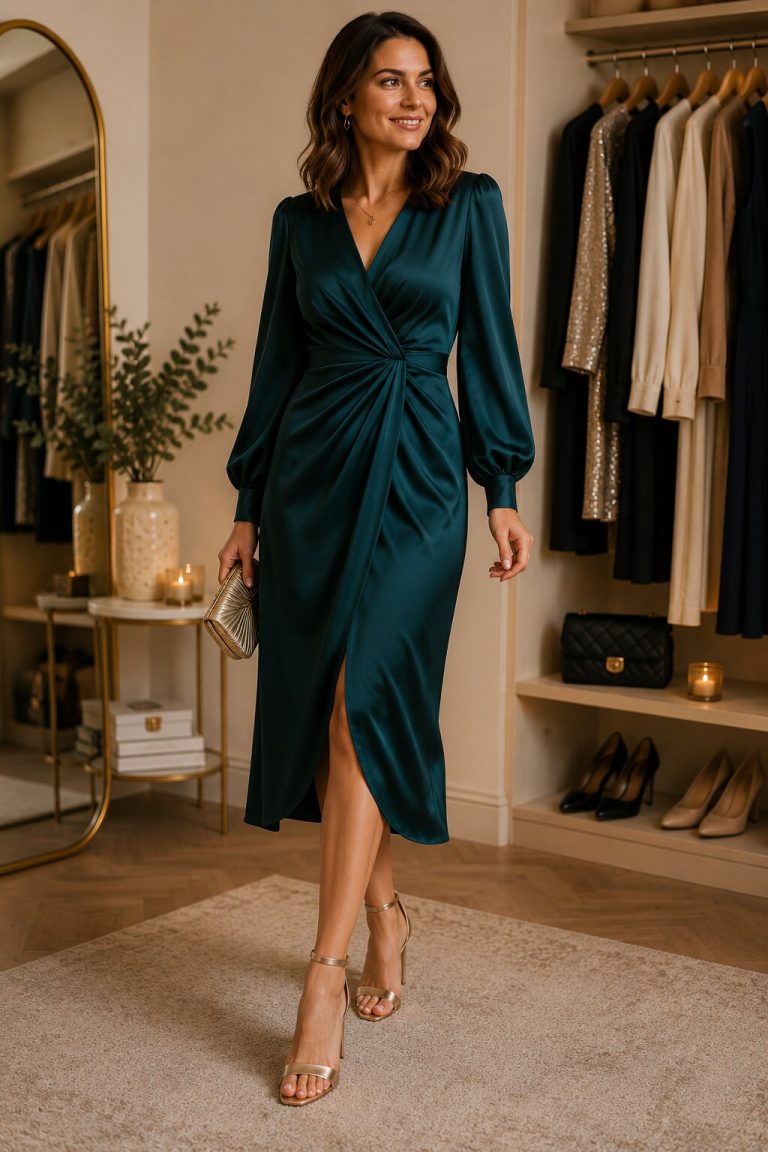
Wrap dresses are one of the easiest styles for many body types because they create shape naturally. Shirt dresses, fit-and-flare dresses and simple midi dresses are also highly versatile.
The most flattering dresses usually skim the body rather than hanging stiffly or clinging tightly.
If shoulders are your main styling concern, broad shoulders dress tips can help narrow down the best options.
The Importance Of Necklines
Necklines affect overall proportion more than most people realise.
V-necks, scoop necks and open collars create softness and vertical movement. High necklines and bulky collars can add width or heaviness depending on the body type.
Choosing a flattering neckline is often one of the quickest ways to improve an outfit.
Build A Wardrobe Slowly
You do not need to replace your entire wardrobe overnight. The best approach is usually gradual.
Pay attention to the outfits you wear most confidently. Notice which fabrics, cuts and proportions consistently work well. Over time, patterns become clear.
The goal is not perfection. It is understanding.
Style Rules Are Meant To Help, Not Restrict
Fashion advice should never feel limiting. Someone petite can still wear oversized tailoring. Someone broad-shouldered can still wear fitted tops. Someone athletic can still wear sharp structure.
Body-type styling is there to explain proportion, not remove personality from fashion.
Louie Boutique also welcomes practical fashion perspectives through our fashion guest post opportunities page for contributors interested in style guidance and everyday wardrobe advice.
Confidence Comes From Comfort
The best outfits usually work because the person wearing them feels comfortable and confident. When clothes fit properly and suit your proportions, you naturally feel more relaxed.
Understanding your body type simply gives you a better starting point. Once you know which cuts, fabrics and silhouettes work best, shopping becomes easier and outfits feel more effortless.
Start with balance, pay attention to fabric, define shape where needed and build around reliable basics. Those small adjustments can completely change the way your wardrobe works.