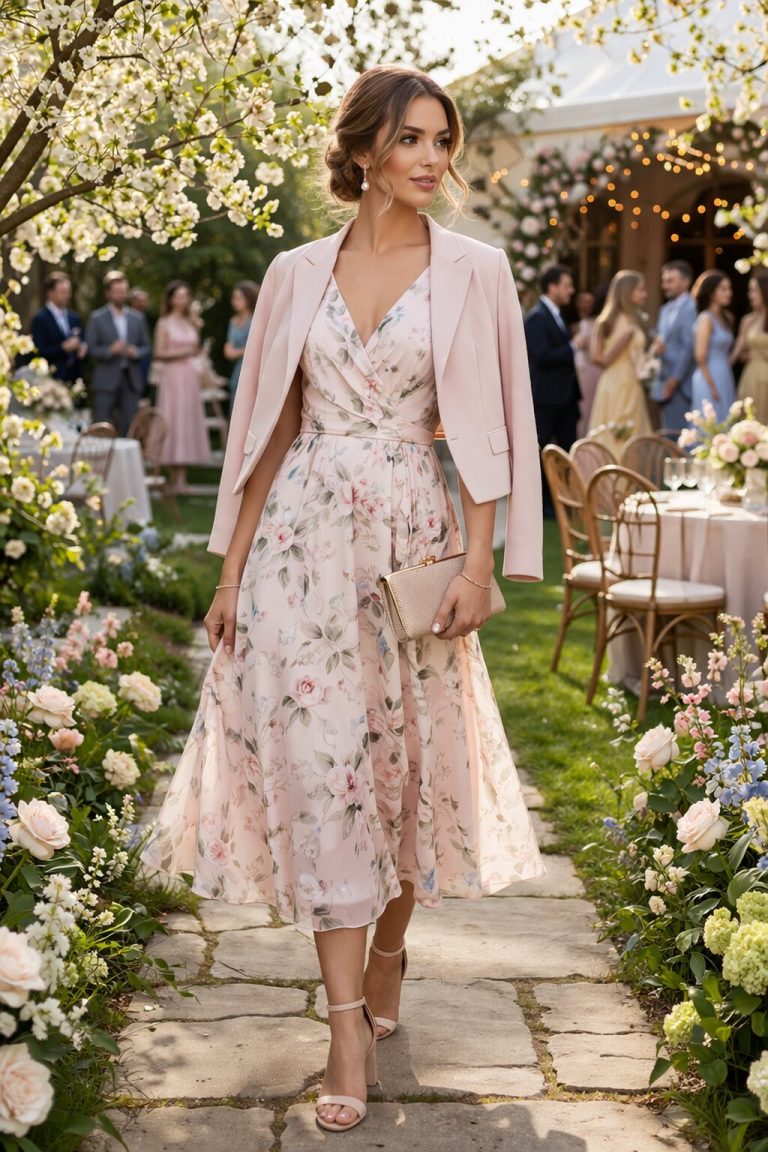
An athletic body type can be one of the easiest shapes to dress once you understand how proportions, fabric and structure work together. Strong shoulders, toned arms, defined legs and a straighter waist can all create a balanced, confident silhouette. The challenge is usually not whether clothes fit, but whether they create the right overall shape.
Some clothing styles naturally complement athletic proportions, while others can make outfits feel boxy, overly fitted or unbalanced. The key is to create movement, definition and proportion without hiding the body underneath oversized layers.
Whether your frame is softly athletic or more strongly defined, choosing the right clothing styles can make everyday dressing feel simpler and more flattering.
Understanding The Athletic Body Type
Athletic body types vary more than many people realise. Some people have broad shoulders and narrower hips. Others have a straighter figure with muscular legs or arms. Some athletic frames appear naturally balanced, while others feel more angular.
The common thread is structure. Athletic body types often have visible definition through the shoulders, back, waist or legs, which changes how clothes sit on the body.
This is why understanding what body type you are can make such a difference when shopping for everyday outfits.
Why Some Clothes Work Better Than Others
Clothing styles work best when they balance the body rather than fighting against it. Athletic figures often look great in clothes that soften lines slightly, create waist definition and add movement through fabric or layering.
Very stiff garments can sometimes exaggerate width or create a square silhouette. Extremely clingy pieces may feel restrictive or highlight areas too strongly. The best styles usually sit somewhere in between — structured enough to flatter, soft enough to move naturally.
Wrap Styles Work Extremely Well
Wrap tops, wrap dresses and wrap-style knitwear are some of the most flattering pieces for athletic body types. The diagonal lines help soften broader shoulders while creating shape through the waist.
Wrap dresses are especially useful because they create balance without needing heavy tailoring. They work for casual daytime outfits, evenings out and even smart office dressing depending on the fabric.
Soft jersey wraps feel relaxed and wearable, while satin or crepe versions can feel more elevated.
If broad shoulders are part of your shape, wrap styling also connects naturally with fashion tips for women with broad shoulders.
Straight-Leg And Relaxed Jeans
Many athletic body types struggle with standard skinny jeans because the fit can feel restrictive through the thighs and calves. Straight-leg jeans, relaxed cuts and athletic fit denim are often much easier to wear.
A straight-leg jean creates a clean silhouette without clinging too tightly. Relaxed denim can also work beautifully when balanced with a more fitted or softly shaped top.
Dark washes usually create the most versatility, while mid-blue denim gives a relaxed everyday feel.
For readers specifically exploring denim options, athletic fit jeans for athletic body types naturally links well here.
Soft Tailoring Creates Balance
Structured tailoring can sometimes feel too stiff on athletic frames, especially around the shoulders. Soft tailoring is usually more flattering because it allows movement while still giving shape.
Look for blazers with relaxed construction, fluid fabrics and slightly longer lines. Single-breasted styles tend to feel easier to wear than heavily structured double-breasted cuts.
Relaxed tailoring works especially well with jeans, midi dresses and simple knitwear. It creates polish without looking overly formal.
Brands such as AllSaints often use softer tailoring, draped fabrics and relaxed structure in ways that suit athletic styling particularly well.
Dresses That Add Shape
Athletic body types often suit dresses that create waist definition or movement. This does not mean every dress needs to be tight or heavily fitted. In fact, softer shapes often work better.
Good options include:
- Wrap dresses
- Shirt dresses with belts
- Fit-and-flare styles
- Soft midi dresses
- Slip dresses layered with knitwear or jackets
- Dresses with ruching or gathered waists
Avoid very stiff straight-cut dresses if they make the body feel overly square. A little movement through the fabric usually helps create balance.
Wide-Leg Trousers Can Work Beautifully
Wide-leg trousers can be extremely flattering on athletic figures because they balance stronger shoulders and create elegant movement. High-waisted styles are particularly effective because they define the waist while elongating the legs.
The key is fabric. Heavy stiff fabrics can add too much volume, while fluid fabrics skim more naturally.
Pair wide-leg trousers with fitted knitwear, tucked-in shirts or cropped jackets for the best balance.
This styling approach works especially well alongside the complete body type clothes guide, where proportion and silhouette are discussed more broadly.
Necklines Matter More Than Many People Think
Necklines can dramatically change how the upper body looks. Athletic figures often benefit from open necklines that break up width and create softness around the shoulders and collarbone.
V-necks, scoop necks, sweetheart necklines and open collars are all useful choices. Wrap necklines are especially flattering because they create diagonal movement across the upper body.
Very high crew necks, stiff collars and bulky neck details can sometimes make the upper body appear wider.
If shoulders are a major styling concern, what to avoid wearing if you have broad shoulders is also highly relevant here.
Knitwear That Works Well
Soft knitwear is ideal for athletic body types because it follows the body naturally without looking rigid. Lightweight jumpers, fine rib knits and relaxed cardigans are particularly versatile.
Chunky oversized knits can work too, but balance matters. If the knit is very oversized, pairing it with slimmer trousers or leggings often creates a more flattering silhouette.
Belting knitwear can also add shape without making outfits feel overly structured.
Midi Skirts And Bias-Cut Styles
Midi skirts often suit athletic body types beautifully because they add softness and movement. Bias-cut skirts are especially useful because they skim the body rather than sitting stiffly away from it.
Pairing a midi skirt with a fitted knit or tucked blouse can create elegant balance. Trainers can keep the look casual, while boots or heels can dress it up easily.
Pleated skirts can also work well if the fabric is fluid rather than overly bulky.
Casual Clothing Styles For Athletic Figures
Casual outfits should still create some shape. Many oversized casual pieces are cut very boxy, which can hide definition and make the body look broader.
Instead of wearing oversized everything together, mix proportions:
- Relaxed jeans with a fitted top
- Wide-leg trousers with a tucked knit
- Straight-leg denim with a soft blazer
- Joggers with a structured jacket
- Oversized shirts worn open over fitted basics
Casual dressing becomes much easier once you understand where balance matters most.
This also links naturally with casual body shape clothes for women, especially for readers building everyday wardrobes.
Jackets That Flatter Athletic Shapes
The best jackets for athletic body types usually create length and definition rather than sharp width.
Good options include:
- Longline blazers
- Soft trench coats
- Relaxed denim jackets
- Belted coats
- Open-front cardigans
- Cropped jackets paired with high-waisted bottoms
Avoid overly padded shoulders if you already feel broad through the upper body. Softer construction often works better.
Choosing Fabrics Carefully
Fabric can completely change how a garment sits on an athletic frame. Stiff fabrics hold shape outward, while softer fabrics move with the body.
Good fabric choices include:
- Soft cotton
- Jersey
- Linen blends
- Fine knits
- Fluid satin
- Draped viscose
- Soft denim
Very rigid fabrics may exaggerate angles or create unwanted bulk. On the other hand, fabrics that are too clingy can overemphasise muscular definition.
The best fabrics usually skim rather than squeeze.
Footwear And Overall Balance
Shoes affect proportion more than many people expect. Chunkier footwear can balance stronger legs or shoulders, while delicate shoes may work better with softer, slimmer silhouettes.
Trainers work particularly well with athletic styling because they feel natural alongside relaxed denim, joggers and casual dresses. Ankle boots also pair well with straight-leg jeans and midi dresses.
When styling wide-leg trousers or longer skirts, make sure the shoes feel substantial enough to balance the volume of the outfit.
Accessories That Complement Athletic Styling
Accessories can help soften or balance the silhouette. Long necklaces, layered jewellery, waist belts and crossbody bags all help create movement and visual direction.
Avoid placing too much bulk directly around the shoulders if you are trying to minimise upper-body width. Oversized shoulder bags, bulky scarves and heavily embellished collars can sometimes make the upper body appear broader.
Instead, focus on accessories that draw attention vertically or define the waist.
Building A Flexible Wardrobe
The best wardrobe for an athletic body type usually combines comfort, movement and shape. It does not need to rely on bodycon clothing or oversized layers. Instead, focus on versatile pieces that can be mixed easily:
- Straight-leg jeans
- Soft blazers
- Wrap dresses
- Wide-leg trousers
- Fine knitwear
- Relaxed shirts
- Structured casual jackets
- Midi skirts
- Athletic fit denim
Understanding how these pieces work together makes styling much easier over time.
This also supports readers exploring how to dress for your body type with simple styling changes, especially when building a wardrobe around proportion rather than trends alone.
Louie Boutique also welcomes fresh styling perspectives through our contribute women’s fashion tips to Louie Boutique page for writers interested in sharing practical fashion advice.
Dressing With Confidence
Athletic body types often suit a huge range of styles once fit and balance are understood properly. The aim is not to disguise the body, but to work with its natural structure.
Soft tailoring, wrap shapes, relaxed denim, balanced layering and fluid fabrics all help create outfits that feel flattering and wearable. The best clothing styles are usually the ones that allow movement, comfort and confidence at the same time.
Once you understand which shapes and fabrics support your proportions, shopping becomes less frustrating and personal style becomes much easier to develop.