An athletic body type can be one of the most versatile shapes to dress, but it can also come with its own styling questions. You might have a strong shoulder line, a straighter waist, toned arms, narrower hips, or a naturally structured frame. Some women with athletic proportions love clean tailoring and simple outfits, while others want to soften their shape, create more curves, or make everyday clothes feel a little less sporty.
The best fashion tips for athletic body types are not about hiding strength. They are about choosing clothes that work with your proportions, add movement where you want it, and help your outfits feel balanced. Athletic figures often suit modern, minimal styling beautifully, but small details such as neckline, fabric, sleeve shape, and waist placement can make a big difference.
Whether you dress casually most days or need polished outfits for work, dinners, weekends, and events, the goal is the same: clothes that feel comfortable, flattering, and true to your personal style.
What Is An Athletic Body Type?
An athletic body type usually has a naturally straighter or more defined frame. This can include broader shoulders, a less pronounced waist, slimmer hips, muscular legs, toned arms, or an overall strong silhouette. It does not mean one exact size or build. Athletic body types can be petite, tall, curvy, slim, midsize, or plus-size.
That is why it is more useful to think about proportions than labels. If your shoulders are the widest point of your frame, you may want to balance them with movement on the lower half. If your waist is straighter, you may prefer outfits that create gentle definition. If you are petite as well as athletic, a guide to fashion advice for petite women can be helpful alongside body-shape styling, especially for choosing hem lengths, trouser rises, and jacket proportions.
The most important thing is to notice how clothes sit on your body. Athletic figures often look great in structured pieces, but too much stiffness can sometimes feel boxy. The trick is to mix structure with softness.
Use Softer Fabrics To Balance Structure
Because athletic frames often have natural definition, soft fabrics can be especially flattering. Fluid blouses, draped dresses, fine knits, satin skirts, jersey tops, and relaxed linen can all add movement without overwhelming your shape.
A crisp cotton shirt can look polished, but if it feels too sharp across the shoulders, try a softer blouse, a relaxed popover shirt, or a shirt with a slightly dropped shoulder. A structured blazer can look excellent, but it may feel more balanced with a silky camisole or fine knit underneath.
The same idea works for dresses. Instead of very stiff shift dresses, look for wrap styles, bias-cut midis, softly gathered waists, or dresses with movement through the skirt. These shapes can soften the frame while still looking grown-up and refined.
Choose Necklines That Open The Upper Body
Necklines are one of the easiest ways to adjust the look of an athletic shape. If you have broader shoulders or a strong upper body, open necklines often feel more flattering than high, tight, or very horizontal shapes.
V-necks, scoop necks, sweetheart necklines, soft square necks, and open collars can all break up the upper body and draw the eye vertically. They create space around the neck and chest, which can stop an outfit from looking too heavy on top.
This does not mean you must avoid crew necks completely. A crew neck can look chic, especially in a fine knit or simple T-shirt. The key is balance. If the neckline is high, you might pair it with wide-leg trousers, a skirt with movement, or jewellery that adds a vertical line. If tops often make your shoulders look wider than you want, a more detailed broad shoulders fashion tips for women guide can help you choose necklines and sleeves with more confidence.
Create Shape At The Waist
Many athletic body types have a straighter waist, which can make some outfits feel a little flat. Adding waist definition is a simple way to bring more shape to your look.
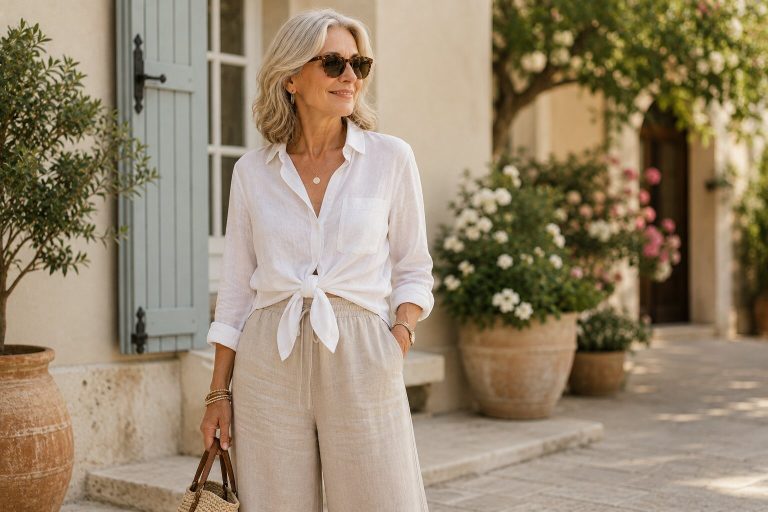
This can be done with a belt, a tucked-in top, a wrap dress, a cropped jacket, or trousers that sit neatly at the waist. You do not need anything tight or uncomfortable. A soft half-tuck, a tie-waist blouse, or a cardigan buttoned at the narrowest point can be enough.
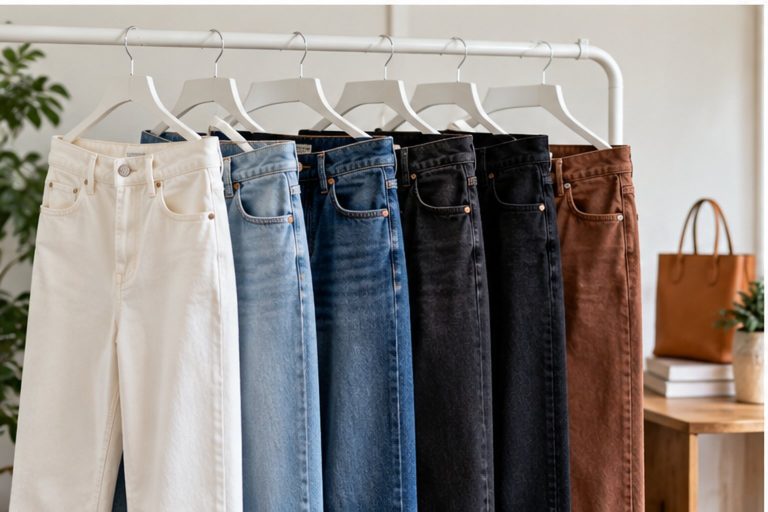
High-rise jeans and trousers are particularly useful because they give the outfit a clear centre point. Pair them with a blouse, fitted knit, or relaxed shirt tucked slightly at the front. If you prefer dresses, try styles with waist seams, wrap fronts, ruching, or gentle shaping through the middle.
Add Movement On The Lower Half
If your shoulders are broader than your hips, adding interest to the lower half can create a more balanced silhouette. A-line skirts, pleated midis, wide-leg trousers, barrel-leg jeans, flowing culottes, and softly flared dresses can all work well.
The aim is not to make your body look different. It is simply to let the lower half of the outfit carry some visual weight too. A simple top with wide-leg trousers can look elegant and balanced. A fitted knit with a pleated skirt can feel feminine without being overly dressy. A plain camisole with relaxed linen trousers can look effortless in warm weather.
Prints and texture can also help. If you prefer neutral tops, try patterned skirts, textured trousers, or denim with a wider leg shape. This keeps the upper body clean while giving the outfit more interest overall.
Be Careful With Shoulder Detail
Athletic body types can often wear tailoring well, but shoulder detail needs a little thought. Strong shoulder pads, puff sleeves, cap sleeves, epaulettes, and very boxy jackets may exaggerate the upper body. This can look powerful and stylish if that is the look you want, but it may not be ideal if you prefer a softer finish.
For everyday wear, look for jackets with light structure rather than heavy padding. A slightly relaxed blazer, a longline waistcoat, a soft trench coat, or a jacket that nips in gently at the waist can be more flattering than a very square cut.
Sleeve length also matters. Three-quarter sleeves, bracelet sleeves, and sleeves that finish just below the wrist can soften the arms and make an outfit feel more intentional.
Try Dresses With Curved Or Draped Lines
Dresses are a lovely way to soften an athletic body type because they can add movement, shape, and flow in one piece. Wrap dresses are a reliable choice because they create a waist and open the neckline. Shirt dresses can also work well, especially if they have a tie belt or softer fabric.
Bias-cut dresses are another good option. They skim the body rather than clinging tightly, and they often create a more fluid line. Midi dresses with gathered waists, tiered skirts, or subtle ruching can also add shape without feeling fussy.
If you like minimal style, a column dress can look beautiful on an athletic frame. To avoid it feeling too straight, add a cropped jacket, long necklace, soft cardigan, or belt. The smallest styling change can make the dress feel more complete.
Make Casual Outfits Feel Less Sporty
One challenge with athletic body types is that casual clothes can sometimes look more sporty than intended. Leggings, trainers, sweatshirts, and simple T-shirts may be comfortable, but they can quickly feel like gym wear if everything is too plain or fitted.
To make casual outfits feel more styled, mix sporty pieces with softer or smarter ones. Try trainers with a midi skirt, leggings with an oversized shirt and long coat, or jogger-style trousers with a fine knit and loafers. Denim is also useful because it adds structure without looking too formal.
Accessories help too. A leather belt, simple gold hoops, a soft scarf, a crossbody bag, or polished sunglasses can make a very simple outfit feel more finished. The aim is not to dress up all the time, but to add one or two details that make casual clothing look intentional.
Build A Wardrobe Around Reliable Shapes
Once you know what works, dressing an athletic body type becomes much easier. You might find that your wardrobe relies on wide-leg trousers, wrap tops, soft blouses, relaxed blazers, A-line skirts, and midi dresses. These repeatable shapes can become your everyday formula.
For work, this could mean tailored trousers, an open-neck blouse, and a softly structured jacket. For weekends, straight-leg jeans, a fine knit, and a trench coat. For evenings, a wrap dress, heeled boots, and simple jewellery. For holidays, linen trousers, a vest top, and a loose shirt worn open.
Good style is not about buying endless new things. It is about understanding the cuts, fabrics, and proportions that consistently make you feel comfortable and confident. Louie Boutique’s share your fashion advice with Louie Boutique page is a natural place for writers who enjoy turning practical outfit ideas into useful style guidance for real readers.
Dress For The Body You Have Today
Athletic body types can look polished, strong, feminine, relaxed, elegant, or bold. The right clothes depend on your lifestyle and how you want to feel, not just on your measurements. You might love highlighting your shoulders, or you might prefer balancing them. You might enjoy fitted pieces, or you might feel better in draped layers and relaxed tailoring.
The most flattering wardrobe is one that gives you options – find what works for your body type. Keep the pieces that skim rather than squeeze, shape without restricting, and soften where you want softness. When clothes work with your frame instead of against it, getting dressed becomes less about correction and more about expression.