Designer fashion does not stop becoming relevant after 60. In many ways, it becomes more useful. By this stage, most women understand their personal style far better than they did in their twenties or thirties. Rather than chasing short-lived trends, the focus often shifts towards quality, comfort, flattering cuts and timeless pieces that feel elegant and wearable.
Finding designer clothing for the over 60s is less about dressing “younger” and more about dressing confidently. The best designer pieces should feel refined, comfortable and modern without trying too hard. They should fit beautifully, work with your lifestyle and make getting dressed feel enjoyable rather than complicated.
Why Designer Clothing Can Work Well After 60
Designer clothing often focuses more heavily on fabric, tailoring and fit. These details become increasingly important over time because they affect how clothes sit on the body and how comfortable they feel throughout the day.
A beautifully cut blazer, soft knit, structured coat or elegant dress can elevate even a simple outfit. Good-quality fabrics tend to drape more naturally, while thoughtful tailoring creates cleaner lines and better proportions.
Designer clothing also tends to last longer, which makes it particularly useful when building a wardrobe around timeless staples rather than fast-changing trends.
For readers building an everyday wardrobe alongside more elevated pieces, casual clothes for a 60 year old woman is a useful companion guide.
Focus On Timeless Rather Than Trend-Driven Pieces
The best designer wardrobes are usually built around timeless clothing rather than highly trend-led fashion. This does not mean dressing conservatively or avoiding modern styles. It simply means prioritising pieces that will still feel elegant several years from now.
Useful staples include:
- Tailored trousers
- Soft blazers
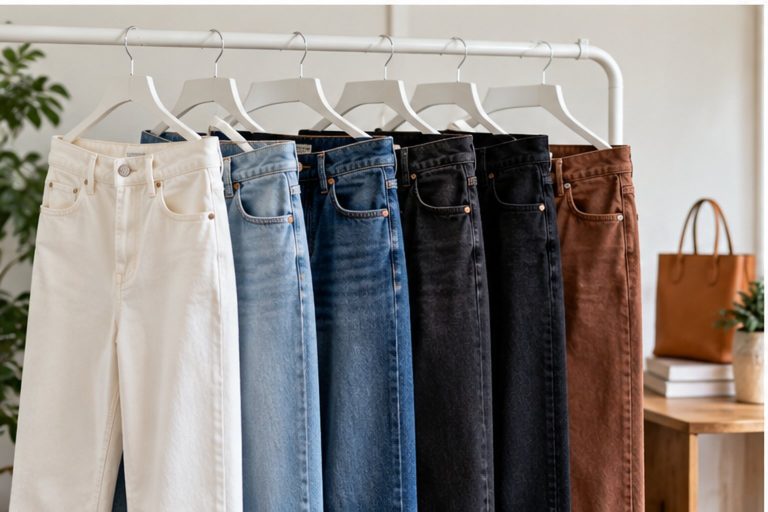
- Straight-leg jeans
- Fine knitwear
- Structured coats
- Midi dresses
- Silk or satin blouses
- Comfortable loafers or ankle boots
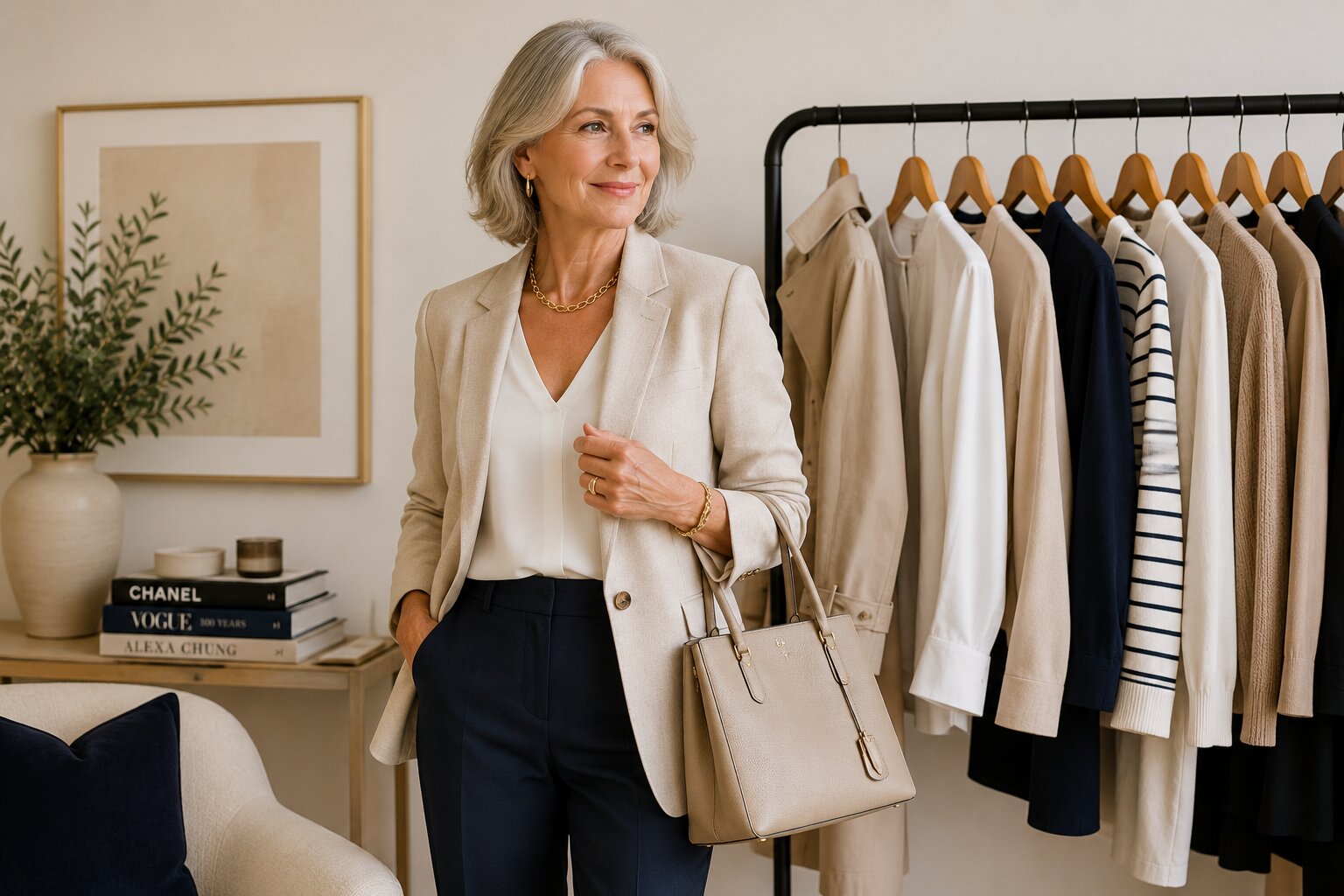
Neutral colours such as navy, cream, camel, black and soft grey are particularly versatile because they work across seasons and mix easily.
The Importance Of Fabric
Fabric quality is one of the biggest differences between designer and lower-quality clothing. Soft cashmere, fine wool, structured cotton, silk blends and quality jersey all help garments sit better on the body.
As style priorities change, comfort usually becomes just as important as appearance. Stiff fabrics, scratchy knitwear or poor-quality synthetic materials often feel less wearable, regardless of how fashionable they look.
Designer clothing should feel good as well as look polished.
Tailoring Makes A Huge Difference
Well-tailored clothing can completely change the silhouette. Trousers that sit properly at the waist, jackets that skim the shoulders correctly and dresses with thoughtful shaping all create a more refined overall look.
This becomes especially important if your body shape has changed over time. Good tailoring creates structure without making clothes feel restrictive.
For readers exploring proportion and shape more generally, ideal outfits for 60 year old women naturally connects with this approach.
Designer Jeans For Over 60s
Jeans remain one of the most useful wardrobe staples after 60, but the cut matters.
Straight-leg jeans are often the most flattering because they create a clean line without clinging too tightly. Relaxed slim jeans can also work well, especially when paired with soft knitwear or structured jackets.
Dark denim tends to feel more polished and versatile than heavily distressed styles. High-rise or mid-rise cuts usually offer the most comfort and support.
Avoid assuming designer denim needs to feel overly trendy. The best pairs simply fit beautifully and work easily with the rest of your wardrobe.
Knitwear That Feels Elegant
Good knitwear is one of the foundations of a stylish over-60s wardrobe. Fine knits, lightweight cashmere, soft cardigans and elegant roll-necks all create warmth without unnecessary bulk.
Chunky oversized knitwear can still work, but balance matters. Pair looser knits with straighter trousers or slimmer skirts to keep the silhouette polished.
Soft neutral shades often feel timeless, while rich colours such as forest green, burgundy or deep navy can add sophistication without feeling overpowering.
Brands such as Wallis often provide elegant knitwear and occasion separates that work particularly well for mature wardrobes.
Dresses That Feel Modern Rather Than “Old”
One of the biggest concerns many women have is accidentally dressing in a way that feels ageing. The solution is usually simplicity and good fit rather than trying to dress dramatically younger.
Wrap dresses, shirt dresses, softly tailored midi dresses and clean A-line shapes all work beautifully. The best dresses usually skim the body naturally rather than hanging shapelessly or clinging too tightly.
Prints can work well too, but softer patterns and elegant colour palettes often feel more timeless than extremely bold or overly busy designs.
For more detailed dress guidance, choosing great dresses for older women is a useful next read.
Building Smart Casual Designer Outfits
Smart casual dressing becomes much easier once you have a few reliable designer staples.
A pair of dark straight-leg jeans, a soft knit, structured blazer and quality loafers can create a polished outfit with very little effort. A midi dress with ankle boots and a longline coat can feel equally elegant.
The key is avoiding overcomplicated styling. Mature fashion often looks best when it feels relaxed, confident and understated.
Comfortable Shoes Matter
Designer wardrobes should never ignore comfort. Beautiful shoes are only useful if they are genuinely wearable.
Loafers, elegant trainers, block heels, ankle boots and supportive flats can all look sophisticated while remaining practical. Leather quality and construction matter far more than dramatic heel height.
A stylish wardrobe becomes much more useful when you can comfortably wear every piece for real daily life.
Avoid Dressing Too Formally All The Time
One common mistake with mature designer fashion is leaning too heavily into formal dressing. Structured jackets, matching sets and highly polished outfits can sometimes feel dated if they are too rigid.
Modern elegance usually comes from mixing relaxed and refined pieces together. Pair tailored trousers with soft knitwear. Wear a blazer with clean white trainers. Style a midi dress with a relaxed coat rather than very formal accessories.
This creates a wardrobe that feels current rather than overly traditional.
Accessories That Elevate Simple Outfits
Designer accessories can completely transform simple clothing. A structured handbag, elegant scarf, quality belt or understated jewellery piece can make even basic outfits feel refined.
However, simplicity often works best. Too many statement accessories together can make an outfit feel heavy or overly styled.
Look for timeless pieces that work across multiple outfits rather than trend-based accessories that quickly feel dated.
Colour Choices For Mature Style
Neutral wardrobes are often easier to style, but that does not mean avoiding colour completely.
Soft jewel tones, rich greens, muted blues, warm burgundy and elegant blush shades can all look beautiful after 60. The key is choosing colours that complement your complexion and feel sophisticated rather than harsh.
Monochrome dressing can also look incredibly elegant, especially in cream, navy, camel or grey tones.
What To Avoid
Designer fashion after 60 is not about following strict rules, but a few styling choices can make outfits feel less polished:
- Extremely stiff tailoring
- Overly distressed denim
- Poor-quality synthetic fabrics
- Excessive embellishment
- Very shapeless clothing
- Tiny uncomfortable handbags
- Shoes chosen only for appearance rather than wearability
Comfort and elegance should work together.
Readers wanting a broader overview may also find dressing in your 60s and what to avoid particularly helpful.
Finding Your Own Version Of Style
The most stylish women over 60 are usually the ones who understand their own preferences. Some love classic tailoring. Others prefer relaxed linen, minimalist fashion or elegant monochrome dressing.
Designer clothing should support your personality rather than replace it.
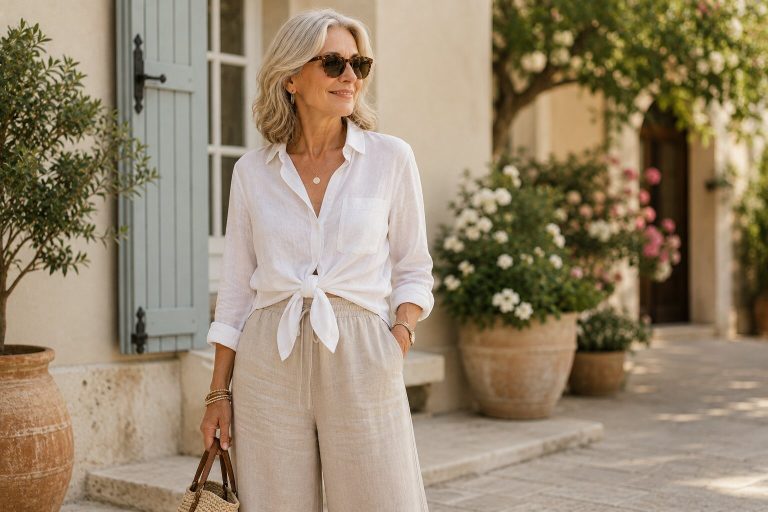
For some women, that may mean beautiful coats and understated jewellery. For others, it may mean modern denim, oversized sunglasses and statement bags. Both approaches can work equally well when the clothes fit properly and feel authentic.
Hair, Makeup And Overall Presentation
Clothing is only one part of overall style. Hair, makeup and accessories all contribute to how polished an outfit feels.
Soft natural makeup, healthy hair and well-chosen accessories often create more impact than complicated styling. This is why hairstyles and makeup for 60 year olds links naturally alongside fashion advice.
Building A Smaller But Better Wardrobe
One advantage of designer fashion is that it often encourages a more thoughtful wardrobe. Instead of buying large numbers of trend-led pieces, many women begin focusing on fewer, better-quality garments that genuinely work for their lifestyle.
This often leads to a wardrobe that feels calmer, easier to style and more reliable overall.
Louie Boutique also welcomes mature fashion perspectives through our fashion write for us page, especially from contributors who enjoy elegant, practical styling advice.
Style At 60 Should Feel Effortless
Designer clothing for the over 60s should feel refined, wearable and comfortable rather than restrictive or trend-obsessed. The best outfits are usually built around quality fabrics, flattering cuts and timeless pieces that work naturally together.
A well-fitting blazer, elegant knit, beautifully cut jeans or versatile dress can become wardrobe staples for years. Once you focus on quality, proportion and comfort rather than age-based fashion rules, personal style becomes far more enjoyable.