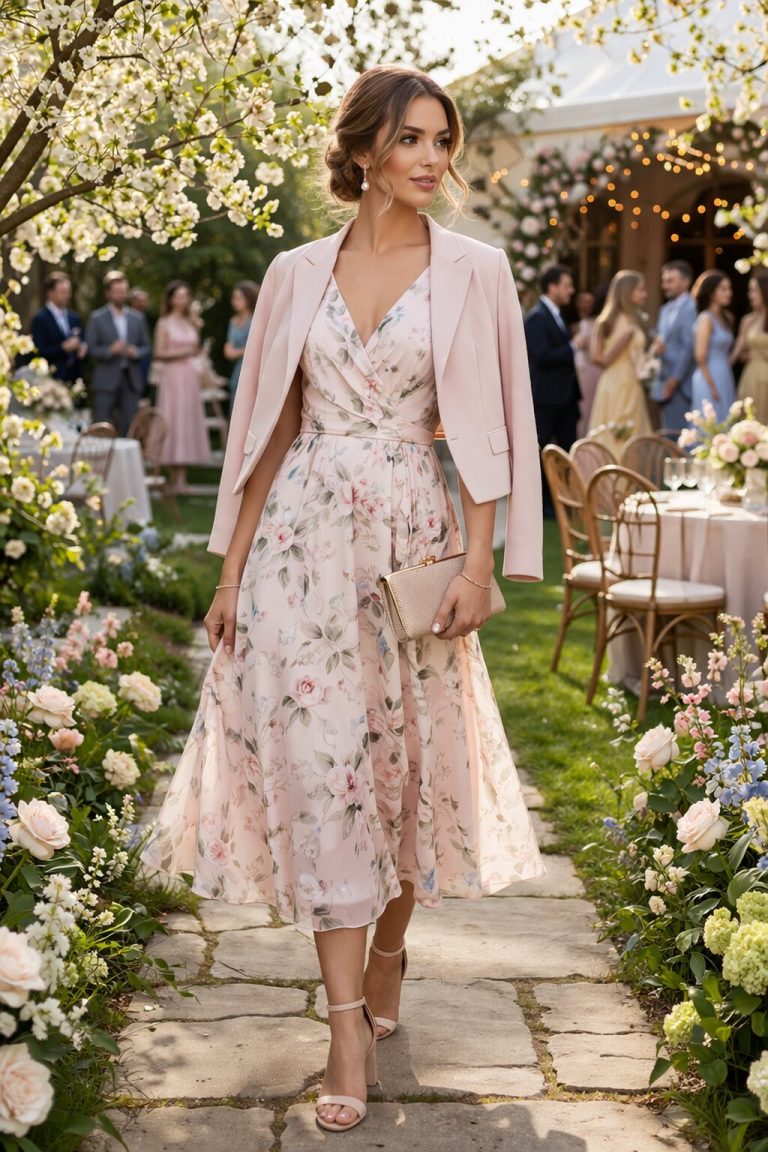
So often presented as a collection of firm instructions: own these ten pieces, avoid that colour, dress for a particular body shape, stop wearing a certain trend after a certain age. Much of it is too rigid to be genuinely useful. Clothes have to work with different bodies, budgets, climates, jobs, tastes and daily routines, so a rule that transforms one wardrobe may be irrelevant to another.
There are, however, some principles that remain useful because they are not tied to a passing trend. They help you choose clothes more carefully, build outfits more easily and get more wear from what you own. They do not tell you that everybody needs the same blazer or that only one trouser shape can be flattering. Instead, they give you a reliable way to judge whether something works for you.
That distinction matters. WRAP’s 2022 UK research estimated that the average person owned 118 items of clothing, including underwear, socks and hosiery, while 26 per cent had not been worn during the previous year. The point is not that everybody should own a tiny wardrobe. It is that acquiring clothes and having useful clothes are not the same thing. A full rail can still leave you feeling that you have nothing to wear when the pieces do not fit properly, suit your routine or work together. following tips are therefore not commandments. They are practical tests you can apply to almost any wardrobe. Use them when getting dressed, shopping, packing, decluttering or trying to understand why an outfit feels slightly wrong.
1. Dress for the Life You Actually Live
The most dependable fashion tip is also one of the easiest to ignore: your wardrobe should reflect your real week rather than an imagined version of it.
A person who works from home, walks a dog, meets friends casually and attends two formal events a year needs a different balance of clothes from someone who travels regularly for business. Neither wardrobe is more stylish. Problems arise when the proportions are reversed: several occasion outfits but no comfortable everyday trousers, a collection of delicate shoes in a wet climate, or numerous office jackets after moving to a more casual workplace.
Start by dividing a typical month into broad categories. These might include work, home, exercise, social plans, outdoor activities, caring responsibilities, travel and occasional events. You do not need an exact spreadsheet. The purpose is to identify where your wardrobe is doing too much or too little.
If most of your week is casual, your best clothes should not all be reserved for rare occasions. Upgrade the clothes you wear repeatedly: the knitwear that sits well under a coat, the trousers that remain comfortable after lunch, the shoes you can walk in and the jacket that works with several layers. Cost per wear is not the only measure of value, but frequent use is a strong sign that a garment belongs in your life.
This also helps with aspirational shopping. There is nothing wrong with buying for a new interest or a change you genuinely plan to make. The test is whether the item has a place in a specific, plausible activity. “I will wear this linen shirt on warm working days” is useful. “This belongs to the person I hope to become” is much harder to translate into an outfit.
A Practical Wardrobe Ratio
Look at the last two weeks rather than your ideal calendar. What did you actually do, and what did you repeatedly reach for? If ten of your fourteen days required practical casual clothes, roughly that proportion of your active wardrobe should support practical casual dressing. Occasionwear can remain a smaller, well-chosen category rather than occupying half the available space.
2. Start With Fit, Not the Size Label
A size label is a starting point, not a verdict on your body. The same nominal size can feel different when the fabric, ease, rise, cut, seam placement and intended silhouette change. Even within one brand, a fitted shirt and an oversized shirt are designed around different amounts of room.
Good fit does not always mean close fit. It means the garment behaves as intended while allowing you to move and feel comfortable. A relaxed jacket may have a dropped shoulder. Wide-leg trousers are supposed to create volume. A bias-cut skirt may skim rather than hang straight. Judging all of these garments by the same idea of “fitted” would miss the point.
When trying something on, ask specific questions:
- Can you sit, bend, reach and walk normally?
- Does the garment stay in position, or do you keep pulling it down, up or sideways?
- Are buttons lying flat rather than straining?
- Do pocket openings gape?
- Does the waistband remain comfortable when seated?
- Are shoulder seams and sleeve lengths working with the intended cut?
- Does the fabric fall cleanly, or is it catching where it should skim?
The answer may be to try another size, but not always. Sometimes the entire cut is wrong for you. Going larger may create excess fabric in one place without solving tension in another. Going smaller may remove drape and make the garment look less intentional.
Fit the Hardest Area First
For a garment that can be altered, fit the least adjustable area first. A tailor can often shorten sleeves or hems, reduce a waistband or refine a side seam. Changing the shoulder structure of a jacket, the rise of trousers or the position of major design details is more complicated and may not be economical.
This approach is particularly useful with jeans. Waist, hip, thigh, rise and fabric recovery interact, so choosing by waist measurement alone can produce a pair that fits while standing but becomes uncomfortable in motion. Our guide to what to look for when buying denim explains how to test the full garment rather than relying on the number inside the waistband.
3. Judge Clothes While Moving, Not Only in a Mirror
Changing-room mirrors encourage a static judgement: stand straight, look forwards and decide. Real clothes are worn while walking, sitting, carrying bags, climbing stairs, working, eating and travelling.
Movement reveals issues that a still pose can hide. A skirt may ride up with every step. A shirt may pull across the back when you reach forwards. A coat may fit over a fine top but not over the knitwear you intend to wear beneath it. Trousers may look smooth from the front yet twist at the side seams or drag at the heel.
Use the changing room as a small movement test. Sit down for a minute. Raise your arms. Cross your legs. Take several steps. Put on the coat, shoes or layer you brought for comparison. Check the side and back views without twisting yourself into an unnatural pose.
For online purchases, repeat the same process at home before removing tags. Try the item at the time of day and with the underwear, socks, footwear and layers you would realistically use. A dress intended for a long meal needs to be assessed sitting down, not only photographed standing up.
Comfort is not separate from style. An outfit rarely looks composed when the wearer is constantly adjusting it.
4. Build Each Outfit Around One Clear Idea
An outfit becomes easier to assemble when you know what is leading it. The lead might be a colour, silhouette, texture, print, shoe or single statement piece. Everything else can support that decision.
Suppose you want to wear rust-coloured wide-leg trousers. The trousers already provide colour and volume, so the rest of the outfit may be quiet: a cream knit, brown loafers and a simple coat. If you then add a highly patterned blouse, ornate jewellery, a contrasting bag and dramatic shoes, the outfit may still work, but each element is now competing for attention.
This does not mean minimalism is always superior. Maximalist dressing can be deliberate, skilful and joyful. The useful principle is hierarchy. Even a busy outfit benefits from some relationship between its elements: repeated colours, a consistent era, similar visual weight or one pattern that clearly dominates.
When an outfit feels confused, identify the piece you most want to wear. Remove or simplify anything that argues with it. You may discover that the problem was not the statement piece but the absence of supporting pieces.
Use the “One Sentence” Test
Describe the outfit in one sentence: “A relaxed navy-and-cream outfit built around striped trousers,” or “A simple black evening look with sculptural silver jewellery.” If you cannot describe the idea without listing every item, the outfit may need editing.
5. Balance Proportions Rather Than Trying to “Correct” Your Body
Traditional style advice often treats the body as a collection of problems to hide. A more useful approach is to look at the proportions created by the clothes themselves.
Outfit proportion concerns the relationship between lengths, widths and volumes. A long loose shirt over wide trousers creates one kind of silhouette; a short fitted jacket over the same trousers creates another. Neither is automatically more flattering. They communicate different moods and create different visual rhythms.
When something feels heavy or shapeless, try changing one proportion rather than replacing the whole outfit. You might:
- expose the waistband by tucking or half-tucking a top;
- swap a long cardigan for a cropped jacket;
- choose a narrower shoe beneath a wide trouser;
- add a longer coat to create a cleaner vertical line;
- roll a sleeve to reveal the wrist;
- change a bulky knit for a finer layer under structured outerwear.
The familiar suggestion to pair a loose top with a narrow bottom can be useful, but it is not universal. Loose-over-loose works when the fabrics drape well, the lengths appear intentional and the outfit has enough structure somewhere, perhaps through a collar, cuff, belt, bag or shoe. Fitted-over-fitted can also look polished when movement and comfort have not been sacrificed.
Think in terms of contrast and continuity, not body correction. Where does the eye pause? Where does the silhouette widen or narrow? Is that what you intended?
6. Use Colour Relationships, Not Forbidden Combinations
Colour advice becomes more useful when it moves beyond lists of shades that supposedly clash. Almost any two colours can work together when their depth, intensity, proportion and surrounding neutrals are considered.
Josef Albers built his teaching around the idea that colour is understood through context: the appearance of a colour changes through its interaction with neighbouring colours. That principle is directly relevant to clothes. A bright green top can appear sharper beside black, fresher beside white, earthier beside tan and more tonal beside teal, even though the top itself has not changed. imple outfit palette can be built from three roles:
- A dominant colour covering the largest area.
- A supporting colour that relates to or contrasts with it.
- An accent used in a smaller amount.
For example, navy trousers and a navy coat can form the dominant colour, a pale blue shirt the support and burgundy shoes the accent. Alternatively, a camel suit may dominate, an ivory top may support and cobalt earrings may provide the accent.
You do not always need three colours, and they do not need to be dramatically different. A tonal outfit might use chocolate, chestnut and tan. A monochrome outfit might rely on texture instead. The roles simply help when you are unsure why several attractive colours are not settling into one coherent outfit.
Value—the lightness or darkness of a colour—often matters more than the colour name. Two muted mid-tone colours may blend quietly, while a very pale and very dark pairing creates strong contrast. Saturation matters too: dusty rose and olive are subdued; hot pink and acid green are intense. Adjusting one of these qualities can make a difficult combination easier.
7. Repeat One Element to Create Coherence
Repetition is one of the quickest ways to make an outfit look considered. Repeat a colour, metal, texture, shape or level of formality in two places and the eye reads a relationship rather than a series of unrelated decisions.
The repetition can be obvious: a burgundy jumper and burgundy shoes. It can also be subtle: tortoiseshell glasses echoing the warm brown in a print, silver hardware on a belt relating to silver earrings, or the cream flecks in a tweed jacket connecting with cream trainers.
This is why using the sandwich dressing method can be so effective. Repeating a related colour at the top and bottom of an outfit creates a visual frame around the middle. A navy cap and navy shoes can settle a white shirt with olive trousers. A cream knit and cream boots can make a denim skirt feel more purposeful.
Exact matching is not required. In fact, near matches can look more natural than accessories bought as a rigid set. Focus on family resemblance: warm browns, cool greys, soft blues or repeated rounded shapes.
Avoid repeating everything. Matching shoes, belt, bag, hat and jewellery exactly may feel overly coordinated unless that polished effect is deliberate. Two points of connection are often enough.
8. Let Footwear Suit the Job and Visual Weight of the Outfit
Shoes affect more than comfort. They influence the formality, balance and practical credibility of everything above them.
A substantial boot visually supports a long coat, heavy knit or wide trouser. A fine loafer, ballet flat or slim trainer creates less weight and may suit lighter fabrics or a cleaner silhouette. Chunky shoes can intentionally contrast with a delicate dress, but the contrast should look chosen rather than accidental.
Begin with the day’s demands. Will you walk far, stand for hours, encounter rain, cross grass, use public transport or move between heated and unheated spaces? A shoe that makes the outfit unusable is not the right shoe for that occasion, however attractive it looks in isolation.
Then check the relationship with the hem. Full-length trousers should clear the ground and fall properly over the exact shoes you plan to wear. Cropped trousers expose more of the foot and ankle, making shoe shape more prominent. A midi skirt can look entirely different with a tall boot, low trainer or pointed flat because each changes the visible line of the lower leg.
Keep one or two reliable footwear categories available for your most common outfits. You might need a practical everyday trainer, a weather-resistant boot and a smarter flat shoe. The exact styles depend on your life, but dependable shoes prevent the final stage of getting dressed from undoing the rest.
9. Check Fabric, Construction and Care Before Buying
A garment should be assessed as an object, not only as an image. Turn it inside out. Feel the fabric. Look at the seams, hems, fastenings and stress points. Check whether a print meets neatly enough for the price and design, whether the zip runs smoothly, whether buttons feel secure and whether the lining lies flat.
Price can reflect design, labour, brand position, rarity, retail costs and materials, but it is not a guarantee of durability. In 2025, WRAP and the Leeds Institute of Textiles and Colour reported testing 47 T-shirts across different price points. The garments underwent physical assessment and 50 cycles of a standard 30°C wash followed by tumble drying. The researchers found no correlation between purchase price and durability; one low-priced shirt outperformed the most expensive product tested. That study concerned one garment category and one test programme, so it should not be treated as proof that price never matters. It does show why the price tag cannot replace inspection. arch0
Look for quality in relation to the garment’s purpose. A summer shirt does not need the weight of workwear denim. A fine knit can be delicate and still be well made. A raw edge may be intentional. The question is whether the materials and construction are appropriate for how the item is supposed to be worn and cared for.
Read the fibre and care labels before purchasing, particularly if the garment will require frequent cleaning. A beautiful everyday top that needs specialist cleaning after every wear may not fit your budget or routine. Likewise, a pale trouser intended for commuting should be easy enough to maintain.
Inspect the Areas That Fail First
Pay particular attention to underarms, inner thighs, pocket corners, belt loops, cuffs, zips and buttonholes. On patterned or knitted garments, check for pulled threads and uneven tension. On stretch garments, gently extend the fabric and see whether it returns smoothly rather than remaining rippled.
10. Do Not Buy an Item Without Imagining at Least Three Outfits
A garment that works with only one other piece is not necessarily a bad purchase. Occasionwear and highly distinctive clothes can justify a narrow role. For everyday shopping, however, imagining three complete outfits is a useful compatibility test.
The outfits should be specific. “With jeans” is not enough if you own six different jean shapes and only one works. Think: “with my dark straight jeans and loafers, with the stone wide-leg trousers and trainers, and open over the black column dress.”
This test identifies hidden gaps. Perhaps the blouse works with three bottoms but needs a strapless bra you dislike. Perhaps the trousers suit several tops but require a heel height you rarely wear. Perhaps the jacket coordinates in colour but is too short over all your usual knitwear.
For a more structured experiment, the 3-3-3 rule in fashion shows how three tops, three bottoms and three pairs of shoes can generate numerous combinations. You do not need to adopt the method permanently. Using it for a week can reveal which items connect easily and which pieces demand too many special conditions.
Take photographs of possible outfits before deciding. A phone camera creates useful distance and often makes proportion or colour issues easier to see than a mirror does.
11. Choose Versatility Without Making Everything Bland
Versatility is often mistaken for neutrality. A wardrobe of black, navy, beige and white can be highly useful, but only if you enjoy those colours. A patterned shirt, red coat or metallic shoe can also be versatile when it works repeatedly with the rest of your clothes.
The better question is not “Is this basic?” but “Can this play more than one role?” A silk scarf might be worn at the neck, on a bag or in the hair. A relaxed blazer might work with tailored trousers, denim and a dress. A printed skirt might suit trainers in daytime and boots or loafers for a smarter setting.
Personal style often comes from the pieces that are not generic. The aim is to give those pieces a supporting wardrobe. If you love colourful knitwear, simple trousers and coats may make it easier to wear. If you collect unusual trousers, your best basics may be quiet tops and dependable shoes. If jewellery is your focus, necklines and sleeve shapes become part of the system.
A useful wardrobe is not one in which every item matches every other item. It is one in which most garments have several realistic partners and your distinctive pieces are not stranded.
12. Treat Underwear and Base Layers as Part of the Outfit
An outfit can fail before the visible clothes are even considered. Underwear, socks, vests, slips, camisoles and thermals influence the line, opacity, comfort and temperature of a garment.
The right base layer does not have to sculpt the body. Its job may simply be to prevent a waistband rubbing, stop a knit feeling itchy, reduce transparency, allow a dress to fall more smoothly or add warmth without bulk.
Check pale clothes in daylight because changing-room lighting can disguise transparency. Move around to see whether a slip or lining rides up. Make sure bra straps and necklines work together in normal movement, not only when carefully arranged. With close-fitting knitwear, seams and decorative trims may show more than expected.
Socks matter too. Their thickness can change shoe fit, trouser break and comfort. A bare ankle between cropped trousers and winter shoes may look visually disconnected and feel impractical; a tonal sock can bridge the gap. In warm weather, the wrong sock can make otherwise comfortable trainers unpleasant.
Maintaining a small selection of reliable base layers in the right colours and weights expands the usefulness of visible clothes. They are rarely exciting purchases, but they solve a surprising number of outfit problems.
13. Care for Clothes According to the Garment, Not Habit
Many people use the same wash programme for nearly everything. Clothes last better when care reflects fibre, construction, colour, soil level and the manufacturer’s instructions.
GINETEX explains that the familiar care symbols cover washing, bleaching, drying, ironing and professional care. Importantly, the symbols describe the maximum permitted severity of treatment. A 40°C wash symbol does not mean the garment must always be washed at 40°C; it means that temperature should not be exceeded. ore washing, ask whether the garment is actually dirty. Some items need laundering after every wear for hygiene; others can be aired, brushed or spot-cleaned. Woolmark advises airing wool garments and resting them between wears, as well as hanging woven wool on suitable hangers and folding knits to protect their shape. Always follow the particular garment’s care instructions, because fibre content alone does not reveal every treatment, finish or construction detail. h similar colours and fabric weights together, close fastenings that may catch, empty pockets and turn vulnerable surfaces inside out. Avoid overloading the machine, but do not run it nearly empty without reason. Use the correct dose of detergent for water hardness, load size and soil level rather than assuming more detergent cleans better.
Drying deserves as much attention as washing. Heat, gravity and prolonged dampness can all affect shape. Woolmark advises flat drying sweaters where possible because the weight of water can stretch knitwear hung vertically.
For a fuller fabric-by-fabric routine, see our guide to how to care for clothes properly.
14. Repair Early, Before Damage Spreads
A loose button is easier to fix than a torn buttonhole. A small dropped hem is easier than fabric that has frayed after dragging on the ground. A tiny opening in a seam is easier than a split that has pulled across the surrounding cloth.
Create a small repair place rather than returning damaged clothes to the wardrobe. It might be a basket containing matching thread, spare buttons and a note of what needs doing. Set a regular ten-minute session or take several pieces to an alterations service together.
Repair has a measurable effect on use. WRAP’s 2022 research estimated that repairing clothing extended its expected lifespan by around 1.3 years. This is an average from a particular research programme, not a promise for every garment, but it reinforces the practical value of acting before damage makes an item unwearable.
Visible mending can become a design feature, while discreet repairs preserve the original look. The right choice depends on the garment. A denim patch can look intentional; a tailored jacket may need an invisible specialist repair. Shoes and bags deserve attention too: resoling, heel replacement, zip repair and conditioning may restore an item that appears finished.
WRAP has also estimated that extending clothing life by nine months could reduce its carbon, water and waste footprints by up to 20 per cent. That figure comes from lifecycle modelling and should be read as an estimate rather than a universal result, but the direction is clear: using clothes for longer can matter.
15. Use Alterations to Turn “Nearly Right” Into Useful
Many wardrobe disappointments are not fundamentally wrong; they are slightly wrong. Trousers are two centimetres too long. A shirt fits through the body but the sleeves hide the hands. A dress sits well except for a loose strap. These small issues reduce wear because every outfit requires compromise.
Basic alterations can have a disproportionate effect. Hemming, sleeve shortening, waist adjustment, button repositioning and strap shortening are common examples. Ask for advice before buying, because alteration feasibility depends on seam allowance, construction, fabric, pattern placement and design details.
Do not assume every alteration is worthwhile. Reshaping a structured shoulder, changing a trouser rise or significantly enlarging a garment may be expensive or impossible. Compare the alteration cost with the value the finished item will have to you, not simply with its sale price.
For a frequently worn coat, suit or pair of trousers, a careful alteration may be excellent value. For a trend-led item you are uncertain about, it may be a sign to leave it behind.
Learn one or two simple skills if they interest you: replacing a button, repairing a fallen hem or making a small hand-sewn seam repair. You do not need to become an expert. Knowing what can be fixed changes the way you evaluate clothes.
16. Use Accessories to Solve a Problem
Accessories are most effective when they have a role rather than being added because an outfit feels unfinished.
A belt can define the intended position of a waist or secure a coat. A scarf can introduce a missing colour near the face. A necklace can occupy an open neckline. A structured bag can sharpen a soft outfit. A cap or hat can make a practical outdoor look feel deliberate. Earrings can provide light and movement when high necklines cover most other detail.
Ask what the outfit needs. It may need contrast, continuity, texture, formality or nothing at all. Removing an accessory can be as effective as adding one.
Scale matters in relation to the outfit, not to a prescribed body type. A very small bag may disappear beside an oversized coat; a large soft tote may overwhelm a fine evening outfit. A delicate chain can be lost against a heavily textured knit, while a substantial pendant may compete with an ornate neckline.
Accessories are also a low-space way to vary repeated outfits. The same navy shirt and cream trousers can feel relaxed with trainers and a canvas bag, polished with loafers and a leather belt, or evening-ready with metallic shoes and sculptural earrings.
17. Develop a Few Dependable Outfit Formulas
An outfit formula is a repeatable structure, not a uniform in the restrictive sense. It reduces decision-making while leaving room for colour, texture and personality.
Examples include:
- straight trousers + fine knit + long coat + loafers;
- jeans + shirt + short jacket + trainers;
- midi skirt + fitted top + boots;
- tonal base layer + contrasting overshirt + simple shoes;
- relaxed suit + plain T-shirt + low-profile trainers.
The formula should match your real activities. Someone who cycles to work needs a different formula from someone who spends the day in formal meetings. Someone in a hot climate may build around loose trousers, breathable shirts and sandals rather than layers.
Once a formula works, vary one element at a time. Keep the trouser and shoe relationship but change the top. Repeat the silhouette in another colour. Use the same base with different outerwear. This creates consistency without making every outfit identical.
Photograph combinations that feel particularly good. Create a small album on your phone organised by season or situation: work, weekend, warm weather, events. On a rushed morning, you can copy yourself instead of inventing something new.
18. Shop With a Gap List, Not a Vague Desire for Something New
Browsing without a clear need makes attractive but disconnected purchases more likely. A gap list turns shopping into problem-solving.
The most useful gaps are precise. “A top” is vague. “A soft ivory short-sleeved top, long enough to sit below the waistband, that works with olive trousers and dark jeans” gives you a meaningful filter. Include practical conditions such as budget, fabric preference, care requirements and footwear compatibility.
Before adding an item, ask:
- Which existing outfits will this improve?
- Does it duplicate something that already works?
- Am I replacing a worn item or creating a new category?
- Is the colour compatible with my outerwear and shoes?
- Does the care routine suit the intended frequency of wear?
- Would I still want it without the sale reduction?
- Is the appeal the garment itself or the styling, lighting and model image?
A waiting period is useful for non-essential purchases. The exact duration does not matter; the purpose is to separate lasting interest from the momentum of browsing. Save the item, close the page and return later with the wardrobe in mind.
Shopping lists do not remove spontaneity. They make it more likely that the spontaneous purchase has somewhere to go.
19. Keep Your Wardrobe Visible and Ready to Wear
You cannot style what you have forgotten. Visibility is partly about storage, but it is also about maintenance.
Group clothes in a way that matches how you get dressed. You might organise by category, colour, season or outfit function. There is no universally correct system. The best one helps you see available options without creating so much order that putting clothes away becomes a chore.
Keep frequently worn items accessible. Store occasional clothes carefully but not so remotely that they disappear from memory. Fold knitwear so shoulders do not stretch. Give long garments enough hanging space. Avoid crushing clothes so tightly that you cannot browse the rail.
Resolve obstacles promptly. Steam the creased dress, sew the button, clean the shoes and replace the missing lace. A wardrobe full of clothes that need action is not fully usable.
At seasonal transitions, review rather than completely reinvent. Identify what still fits, what needs repair, what can be layered and what genuine gaps remain. This is also a good time to create several outfits before the weather changes, so the first cold or warm week does not trigger rushed shopping.
20. Dress for the Whole Day, Including Temperature Changes
An outfit that works at 8 a.m. may fail by lunchtime. Consider transitions: outdoors to indoors, commuting to sitting, sun to shade, work to evening, or a warm train to a cold platform.
Layering is more effective when each layer works independently. If you remove the jacket, does the shirt still feel complete? If you add a coat, do the shoulders and sleeves have enough room? Can you carry or pack the removed layer? Does the colour still work when one part disappears?
In hot weather, looseness alone does not guarantee comfort. Fabric weight, opacity, airflow, sun exposure and the need for underlayers all matter. A very sheer loose top may require a second layer that makes it hotter. In cold weather, one enormous outer layer may be less adaptable than a fine base, insulating middle and weather-resistant outer layer.
Think about the least comfortable part of the day and prepare for it without making the rest cumbersome. A foldable layer, scarf, spare socks or weatherproof shoe may do more for the outfit than an additional decorative item.
21. Make Comfort a Design Requirement
Comfort does not mean abandoning style. It means choosing clothes that allow the day to happen.
There are different kinds of discomfort: tightness, heat, cold, itch, weight, unstable shoes, restricted movement, awkward fastenings, slipping straps and the mental burden of monitoring a garment. Any one of these can make an outfit feel wrong even when it photographs well.
Decide which discomforts you are willing to accept and for how long. A structured shoe for a two-hour dinner is different from the same shoe on a full day of walking. A close-fitting dress may feel enjoyable at an event but unsuitable for travel. Context matters.
Comfort can be improved through fit, fabric, lining, base layers, alterations and breaking in footwear safely. It can also require admitting that a garment is not for you. Do not preserve a fantasy of future wear if the item repeatedly makes you want to change.
The most confident-looking outfit is often the one the wearer can forget about.
22. Break Fashion Rules Deliberately
Some rules are useful shorthand. They may encourage balance, help beginners combine colours or prevent a practical mistake. Problems begin when shorthand is treated as universal truth.
You can wear navy with black, mix metals, combine loose shapes, wear trainers with tailoring, repeat outfits and ignore age-based lists. The result depends on execution, context and personal intention.
Before breaking a rule, understand what it was trying to achieve. “Match your belt and shoes” creates coordination; you can achieve the same coherence through colour temperature or repeated hardware. “Do not mix prints” avoids visual confusion; you can mix them by repeating a colour or varying scale. “Balance a loose top with slim trousers” creates contrast; you can create structure elsewhere while wearing volume above and below.
Our guide to fashion rules that can be safely ignored looks more closely at the difference between practical guidance, cultural convention and outdated restriction.
Intent is the key. An unconventional combination often works when one or two details show that the choice was deliberate: a repeated colour, a clean hem, considered footwear or a strong silhouette. Perfection is unnecessary, but awareness helps.
How to Apply These Tips to Different Wardrobes
The principles remain stable, but their expression should change with the wearer.
For a Small Wardrobe
Prioritise compatibility, repeatable formulas and climate-appropriate layers. Each everyday item should ideally have several partners, but do not force formalwear or specialist clothing to meet the same standard. Use accessories and texture to vary simple combinations.
For a Large Wardrobe
Visibility and editing become more important. Rotate neglected categories into view, photograph outfits and identify why some pieces remain unworn. The answer may be poor fit, missing supporting items, inconvenient care or simply a change in taste. A large wardrobe can be useful when it is organised around real choices rather than accumulation.
For a Changing Body
Fit the body you have now. Keep a limited number of sentimental or genuinely likely future-size garments if they matter to you, but do not make your active wardrobe a waiting room. Stretch, adjustable waists, open layers and alterations can provide flexibility without requiring every item to be oversized.
For a Limited Budget
Inspect construction, shop second-hand where appropriate, repair early and focus spending on frequent needs. Do not assume the most expensive item is automatically the best made; WRAP’s T-shirt testing is a useful reminder to assess evidence rather than price alone.
Second-hand shopping can make better materials or construction accessible, but the same standards apply. Check wear at stress points, odour, moth damage, alterations, missing fastenings and whether the item fills a real gap.
For Workwear
Start with the actual dress expectations and physical demands of the job. Build a small group of interchangeable outfits, then vary shirts, knitwear, jewellery or shoes. Keep an emergency option available for spills, temperature changes or unexpected meetings.
For Travel
Plan complete outfits around the shoes and outerwear you will actually carry. Rewearing is easier when colours relate and layers work independently. Test every piece before the trip rather than packing unworn clothes in the hope that travel will transform them.
For Greater Colour Confidence
Begin with one colour you already wear easily. Add a related shade, a deeper or lighter version, or one small contrasting accent. Observe the combination in daylight. Colour skill grows through comparison rather than memorising prohibitions.
Readers with a practical perspective on clothing, wardrobe use or personal style may also be interested in Louie Boutique’s fashion guest contributor page.
Common Fashion Advice That Deserves More Caution
Some familiar tips are not entirely wrong, but they are too broad to follow automatically.
“Invest in Timeless Basics”
A so-called timeless item is only valuable if you wear it. A beige trench coat is not an investment for someone who dislikes beige, rarely wears structured outerwear or needs a waterproof technical coat. Start with your repeated needs, then choose the best version you can reasonably afford and maintain.
“Dress for Your Body Shape”
Body-shape systems can offer ideas, but they often reduce complex bodies to a handful of categories and turn styling into camouflage. Use the suggestions that help you create a desired silhouette; ignore those that tell you your body must be corrected.
“Buy the Best Quality You Can Afford”
Quality matters, but it is not a single ladder with price at the top. Assess fabric, construction, comfort, care, repairability and likely use. A modestly priced washable shirt worn weekly may be a better purchase than a costly delicate one that stays in the wardrobe.
“One In, One Out”
This rule can prevent uncontrolled accumulation, but it may encourage unnecessary disposal or create a false equivalence. Replacing a worn black T-shirt does not mean a useful coat must leave. Review by category and function instead.
“Never Save Clothes for Best”
Frequent wear is generally desirable, but some clothes genuinely have limited practical use. The more helpful instruction is not to reserve every attractive garment for an imaginary perfect occasion. Wear the silk shirt to dinner; do not wear unsuitable shoes on a muddy walk simply to maximise use.
“You Need Wardrobe Essentials”
There are no universal essentials beyond whatever clothing is necessary for safety, climate, work and personal life. Your white shirt may be someone else’s striped knit. Your blazer may be someone else’s overshirt. Build from repeated functions, not somebody else’s checklist.
A Ten-Minute Outfit Check
When an outfit is not working and you cannot identify why, use this sequence:
- Confirm that every item fits and allows normal movement.
- Decide which piece or idea is leading the outfit.
- Check whether the proportions look intentional.
- Reduce one competing colour, pattern or accessory.
- Repeat one element elsewhere for coherence.
- Try a different shoe shape or weight.
- Adjust the visible lengths by tucking, cuffing or changing a layer.
- Check the outfit in daylight and from the side and back.
- Consider the full day’s weather and activity.
- Stop once it works; further additions may not improve it.
Not every outfit needs to be memorable. A successful outfit may simply be comfortable, appropriate and easy to wear. The purpose of these tips is not to turn getting dressed into a technical exercise. It is to make good decisions more repeatable.
The Fashion Tips Worth Keeping
The most useful fashion advice respects context. Dress for your real life. Judge fit through movement. Build outfits around a clear idea. Use proportion and colour intentionally. Inspect clothes before buying them, imagine how they will work with what you own, and care for them well enough to stay useful. Repair problems early, alter clothes when a small change will make a large difference, and let comfort be part of the design.
These principles do not produce one correct wardrobe. They help different wardrobes become more coherent, practical and personal.
Style becomes easier when you stop asking whether an outfit obeys every rule and start asking better questions: Does it fit? Does it function? Do the pieces relate? Will I enjoy wearing it? Does it belong in my life?
When the answers are yes, the outfit is already doing what good clothes should do.
Sources and Research Notes
WRAP, Citizen Insights: Clothing Longevity and Circular Business Models Receptivity in the UK, published in October 2022. This research supplied the figures concerning the average number of garments owned, the proportion unworn during the previous year and the estimated additional lifespan associated with repair.
WRAP and the Leeds Institute of Textiles and Colour, LITAC T-shirt durability research, reported in July 2025. Forty-seven T-shirts were assessed for physical durability, appearance, shrinkage, fading and pilling through a test programme that included 50 washing and drying cycles. The results apply to the products and testing method used and should not be generalised to every clothing category.
WRAP, Extending Product Lifetimes: WRAP’s Work on Clothing Durability, updated in January 2024. The estimate concerning a nine-month extension in garment life and potential reductions of up to 20 per cent is based on lifecycle modelling.
GINETEX, Care Symbols and Mission and Objectives. These resources explain the internationally recognised sequence of washing, bleaching, drying, ironing and professional-care symbols, and clarify that the symbols indicate the maximum permissible severity of treatment.
The Woolmark Company, Caring for Wool and How to Dry a Wool Sweater. These sources informed the advice on airing wool, resting garments, storing woven and knitted pieces appropriately and drying knitwear flat.
The Josef and Anni Albers Foundation, Interaction of Color. This resource explains Josef Albers’s experimental approach to understanding colour through context and interaction rather than as a fixed system of isolated shades.