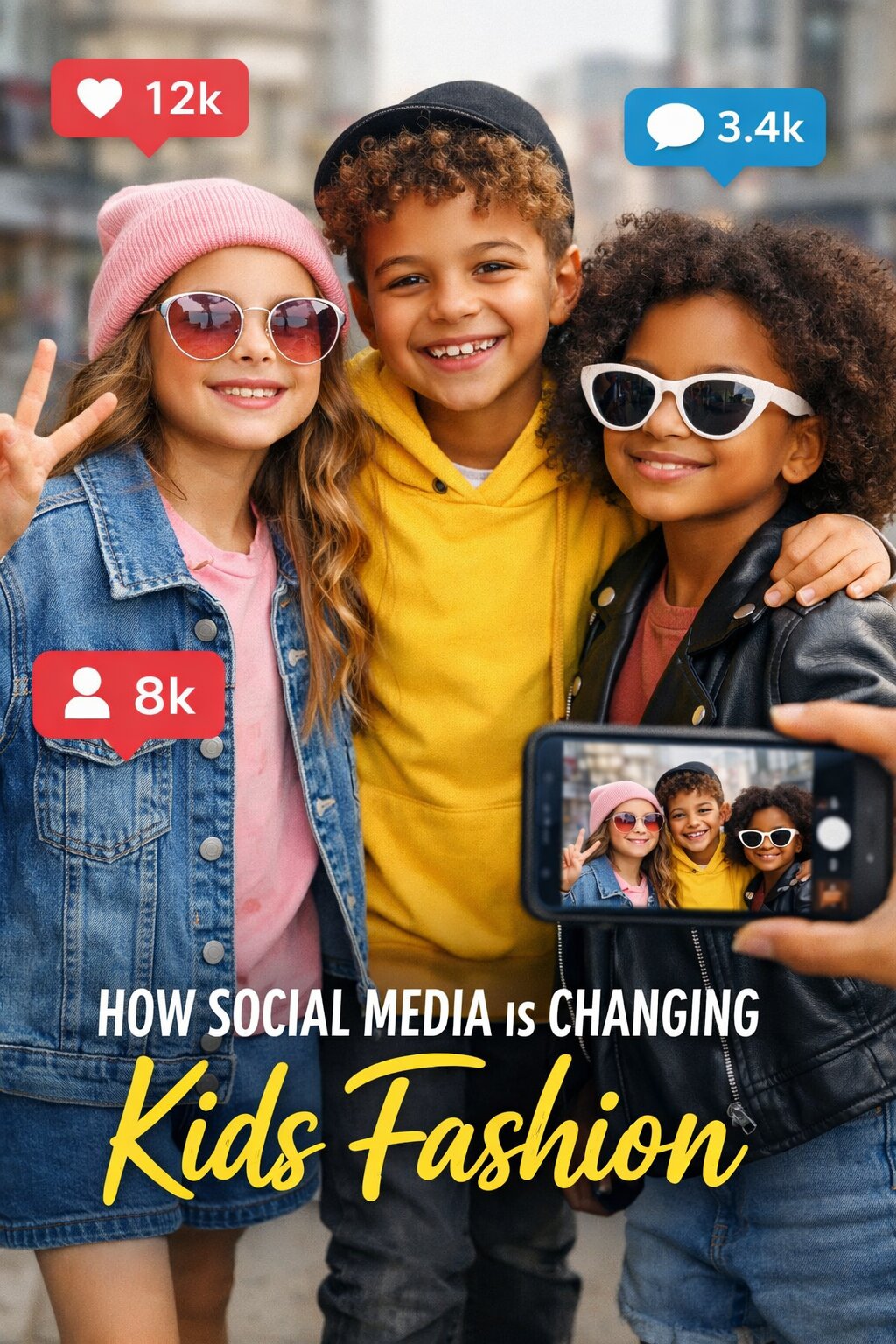
Over the past decade, social media has transformed nearly every aspect of the fashion industry. From runway shows to everyday street style, platforms such as Instagram, TikTok, and YouTube now play a major role in shaping the way people discover and adopt new fashion trends. This shift has also had a noticeable impact on children’s fashion.
In the past, trends in kids clothing were largely driven by designers, retail brands, and seasonal catalogues. Today, fashion inspiration often spreads through social media posts, viral videos, and online communities. Parents and children alike are exposed to new ideas, outfit combinations, and emerging styles in ways that were not possible before.
As social media continues to evolve, it is influencing how children’s clothing is designed, marketed, and worn. Understanding these changes helps explain why kids fashion today looks quite different from what previous generations experienced.
The Rise of Digital Fashion Inspiration
Before the rise of social media, fashion inspiration usually came from magazines, television, or retail displays. Trends developed slowly and often took months to spread across different markets.
Social media has dramatically accelerated this process. A single viral post or popular video can introduce a new fashion idea to millions of people almost instantly. Parents browsing Instagram or Pinterest may come across outfit inspiration for their children, while teenagers and older kids often discover styles through TikTok creators.
This constant flow of inspiration means that fashion trends now evolve much faster. Styles that gain popularity online can quickly influence clothing collections and retail designs.
Influencers and Young Style Icons
One of the most significant changes in modern fashion is the rise of influencers. Influencers are individuals who share lifestyle, fashion, or entertainment content online and build large audiences around their personal style.
In the world of kids fashion, some parents and children have become style influencers themselves. These accounts often showcase everyday outfits, seasonal trends, or creative clothing combinations.
While traditional celebrities once dominated fashion influence, today’s style inspiration often comes from relatable individuals sharing everyday moments online. Parents may follow accounts that feature children’s fashion ideas, while brands collaborate with influencers to promote new clothing collections.
These influencers can introduce new styling ideas and inspire families to experiment with different looks.
Social Media and Trend Speed
Fashion trends used to follow predictable seasonal cycles. Designers would release collections months in advance, and retailers would gradually introduce these trends to consumers.
Social media has shortened this cycle considerably. Trends now appear and spread quickly, often within weeks rather than months.
For example, a specific colour palette or clothing style might become popular after appearing in a viral video or influencer post. Within a short period, similar styles may begin appearing across multiple clothing brands.
This rapid trend cycle encourages creativity but also requires fashion brands to stay adaptable and responsive.
Greater Variety in Children’s Style
Another effect of social media is the increased variety of clothing styles available for children.
Because families around the world share fashion ideas online, parents and kids are exposed to styles from many different cultures and regions. A trend popular in one country may quickly gain attention in another through social media platforms.
This global exchange of ideas has broadened the possibilities in kids fashion. Clothing styles that combine comfort, creativity, and individuality are becoming more common.
Children today often have more freedom to experiment with different looks than previous generations did.
The Role of Visual Platforms
Visual platforms such as Instagram and Pinterest have played an especially important role in shaping fashion trends.
These platforms focus heavily on images, making them ideal for sharing outfit inspiration and style ideas. Parents often use Pinterest to discover seasonal outfit combinations or clothing ideas for family photos.
Instagram allows fashion brands and influencers to showcase clothing collections in visually appealing ways. Carefully styled photos highlight how clothing pieces can be combined into complete outfits.
Because fashion is such a visual industry, platforms built around images have naturally become important sources of inspiration.
TikTok and the Rise of Micro-Trends
TikTok has introduced a new dynamic into fashion trends: the rapid rise of micro-trends.
Micro-trends are short-lived styles that gain popularity quickly before fading away. TikTok’s fast-paced video format allows fashion ideas to spread rapidly among younger audiences.
For example, a specific type of outfit or accessory may become widely shared through short videos. While these trends may not always last long, they often inspire creative experimentation.
For older children and teenagers, TikTok can be a major source of fashion inspiration.
Parents as Fashion Curators
In children’s fashion, parents still play a central role in clothing choices. Social media has made it easier for parents to discover new ideas and curate wardrobes for their children.
Parents may follow fashion accounts that highlight practical outfits, seasonal trends, or styling tips for kids. This inspiration helps them create wardrobes that feel modern while still prioritising comfort.
Many parents appreciate seeing how clothing pieces look in everyday settings rather than just in professional advertising images.
Brands Adapting to Social Media
Clothing brands have also adapted their marketing strategies to reflect the growing influence of social media.
Many brands now design clothing collections with social media visibility in mind. Bright colours, unique patterns, and visually appealing designs are more likely to stand out in photos and videos.
Brands also collaborate with influencers and content creators to introduce their products to wider audiences. These collaborations allow clothing to be presented in real-life situations rather than traditional advertisements.
As a result, social media has become one of the most important marketing channels for fashion companies.
Balancing Trends with Practicality
While social media has brought exciting creativity to kids fashion, practicality remains essential.
Children still need clothing that supports everyday activities such as school, sports, and play. Parents often balance trendy pieces with comfortable wardrobe staples.
Simple items such as jeans, sweaters, leggings, and sneakers remain key parts of most children’s wardrobes. These pieces provide a practical foundation that can be combined with trend-inspired items.
This balance allows families to enjoy fashion trends without sacrificing comfort.
Encouraging Positive Fashion Experiences
Social media has created new opportunities for creativity and self-expression in children’s fashion.
When used thoughtfully, these platforms can inspire children to explore different styles and develop confidence in their clothing choices. Sharing outfit ideas and styling inspiration can also help build communities around creativity and fashion.
At the same time, it is important for parents to help children understand that personal style should be fun and comfortable rather than driven purely by trends.
Fashion can be a creative outlet that allows children to express their personality and individuality.
A New Era for Kids Fashion
Social media has fundamentally changed the way fashion trends develop and spread. What once took months or years to evolve can now happen within days or weeks through online platforms.
For children’s fashion, this shift has brought greater variety, faster trend cycles, and more opportunities for creative expression. Parents and children now have access to a global network of fashion inspiration that continues to shape how clothing is designed and worn.
As social media continues to grow, it will likely remain a powerful force in shaping the future of kids fashion. While trends may come and go, the ability for families to discover ideas and share inspiration will continue to redefine how children’s style evolves.