Non-uniform day is one of the most anticipated days in the school calendar. It gives children the chance to express their personality through what they wear, while enjoying a break from the usual uniform routine. At the same time, it can create a surprising amount of pressure, both for kids and parents, to choose an outfit that feels “right.”
The challenge is finding something that feels fun and individual, while still being practical for a full school day. Children will still be sitting in lessons, moving between classrooms, playing at break time and possibly taking part in activities, so their outfit needs to work in a real, everyday environment.
The best non-uniform day outfits are simple, comfortable and slightly more styled than usual, without feeling overdone. This guide explores how to get that balance right, with ideas that help children feel confident, comfortable and ready for the day.
Understanding The School Environment
Although non-uniform day allows more freedom, it is still important to remember that it is a school setting. Outfits should be appropriate for the environment, meaning they need to be comfortable, practical and suitable for a day of learning and activity.
Most schools have informal expectations, even on non-uniform days. Clothing should allow easy movement, be suitable for sitting at desks and work well for outdoor play during breaks. It is also worth considering the weather, as children will be moving between indoor and outdoor spaces throughout the day.
An outfit that looks good but is impractical can quickly become uncomfortable. Keeping the school environment in mind helps avoid this.
Comfort Is The Priority
Above everything else, comfort should guide the outfit choice. Children are unlikely to enjoy the day if they are adjusting their clothes or feeling restricted.
Soft fabrics, easy fits and breathable materials all contribute to a better experience. Clothing that allows movement, whether sitting, walking or playing, is essential. Items that are too tight, too heavy or difficult to manage can quickly become frustrating.
Comfort also helps build confidence. When children feel good in what they are wearing, they are more relaxed and able to focus on enjoying the day.
Everyday Outfit Ideas That Work
One of the simplest approaches to non-uniform day is to start with everyday clothing and elevate it slightly. This creates a look that feels familiar but still a little more considered.
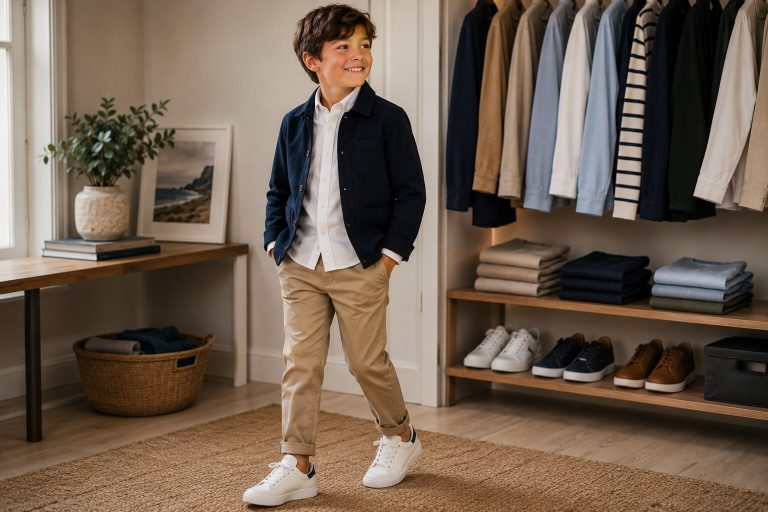
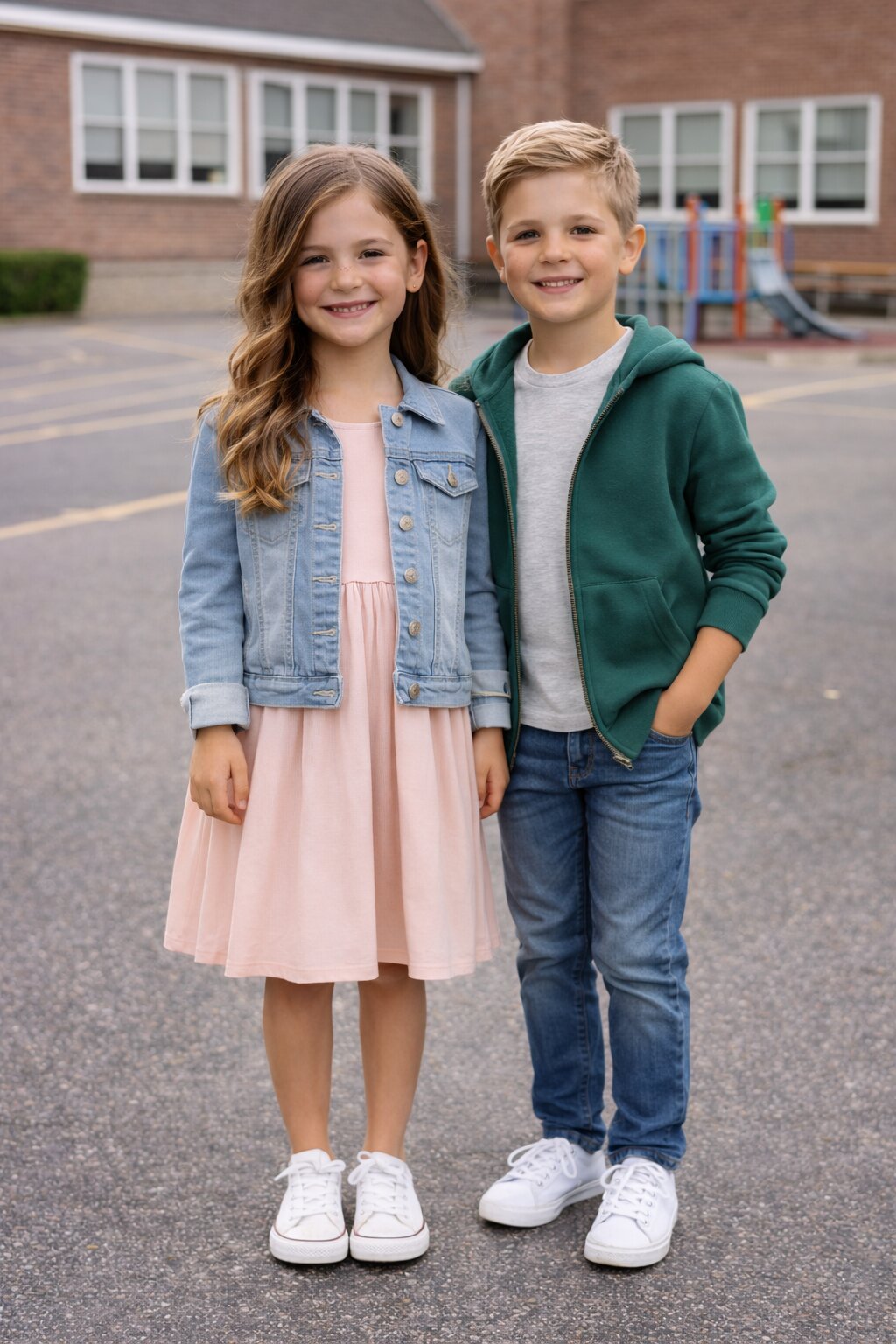
For many children, a well-fitting pair of jeans or trousers paired with a comfortable top is a reliable choice. Adding a lightweight jacket or cardigan can help complete the outfit while also providing practical layering.
For girls, dresses can also work well, particularly styles that allow movement and feel comfortable for a full day at school. Pairing a dress with trainers keeps the look practical while still feeling styled.
The key is to avoid anything that feels too formal or too different from what the child would normally wear. A small step up from everyday clothing is usually enough.
Adding Personality Without Overdoing It
Non-uniform day is an opportunity for children to express their personality, but this does not mean the outfit needs to be bold or complicated.
Small details can make a big difference. This might include a favourite colour, a subtle pattern or a piece of clothing they feel particularly good in. These touches allow individuality to come through without overwhelming the outfit.
It is also important to keep things balanced. Too many bold elements can make an outfit feel busy, while a simple, cohesive look often feels more put together.
Encouraging children to choose something they genuinely like can help them feel more confident throughout the day.
Layering For Practicality
Layering is especially important for school days, as temperatures can vary between classrooms, corridors and outdoor spaces.
A simple jacket, hoodie or cardigan can make an outfit more adaptable. It also allows children to adjust their clothing throughout the day without discomfort.
Choosing layers that are easy to put on and take off is important. Items that are too bulky or complicated can become inconvenient, particularly for younger children.
Layering also adds a small styling element, helping the outfit feel more complete.
Footwear That Works For The Whole Day
Shoes are one of the most important parts of a non-uniform day outfit. Children will be on their feet for much of the day, so comfort and practicality are essential.
Trainers are usually the best option, as they provide support and work well with most outfits. They should be clean and in good condition, but do not need to be brand new.
Other options, such as boots or casual shoes, can work depending on the weather and the outfit. However, anything that is difficult to walk or run in is best avoided.
Comfortable footwear allows children to move freely and enjoy the day without distraction.
Dressing For The Weather
Weather plays a big role in how practical an outfit is. A sunny day may call for lighter fabrics and fewer layers, while colder or wetter conditions require more coverage.
Planning for the weather helps avoid discomfort later in the day. It is often better to include an extra layer that can be removed if needed, rather than not having enough warmth.
In colder months, items such as knitwear, jackets and warmer fabrics can make a significant difference. In warmer weather, breathable materials help keep things comfortable.
Avoiding Common Mistakes
One of the most common mistakes is choosing an outfit that looks good but is not practical for a full school day. This can lead to discomfort, distraction and a less enjoyable experience.
Another issue is overcomplicating the outfit. Too many layers, accessories or bold elements can make it feel overwhelming. Simplicity often leads to a better result.
It is also important to ensure that clothing fits properly. Items that are too tight or too loose can affect both comfort and appearance.
Keeping the outfit simple, comfortable and appropriate usually avoids these issues.
Involving Children In The Choice
Allowing children to have a say in what they wear can make a big difference. When they feel involved in the decision, they are more likely to feel confident and comfortable.
Guidance can still be provided, particularly around practicality and appropriateness, but giving children some choice helps them express their personality.
This also makes the process of getting ready more enjoyable and less stressful.
Planning Ahead
Preparing the outfit in advance can help avoid last-minute decisions. Trying everything on beforehand ensures that it fits well and feels comfortable.
It also allows time to make adjustments if needed, such as changing shoes or adding a layer. This makes the morning of non-uniform day much smoother.
Having a plan in place helps both parents and children feel more organised.
Keeping It Simple And Confident
The best non-uniform day outfits are not complicated. They are simple, comfortable and slightly more styled than everyday clothing.
A good pair of trousers or a comfortable dress, combined with a well-fitting top and practical shoes, is usually all that is needed. Adding a layer and a few small details can complete the look without overdoing it.
When children feel comfortable and confident, it shows in how they carry themselves. That is what makes an outfit truly work—not how complicated it is, but how it feels to wear.
Non-uniform day should be enjoyable, and the right outfit helps make that possible.