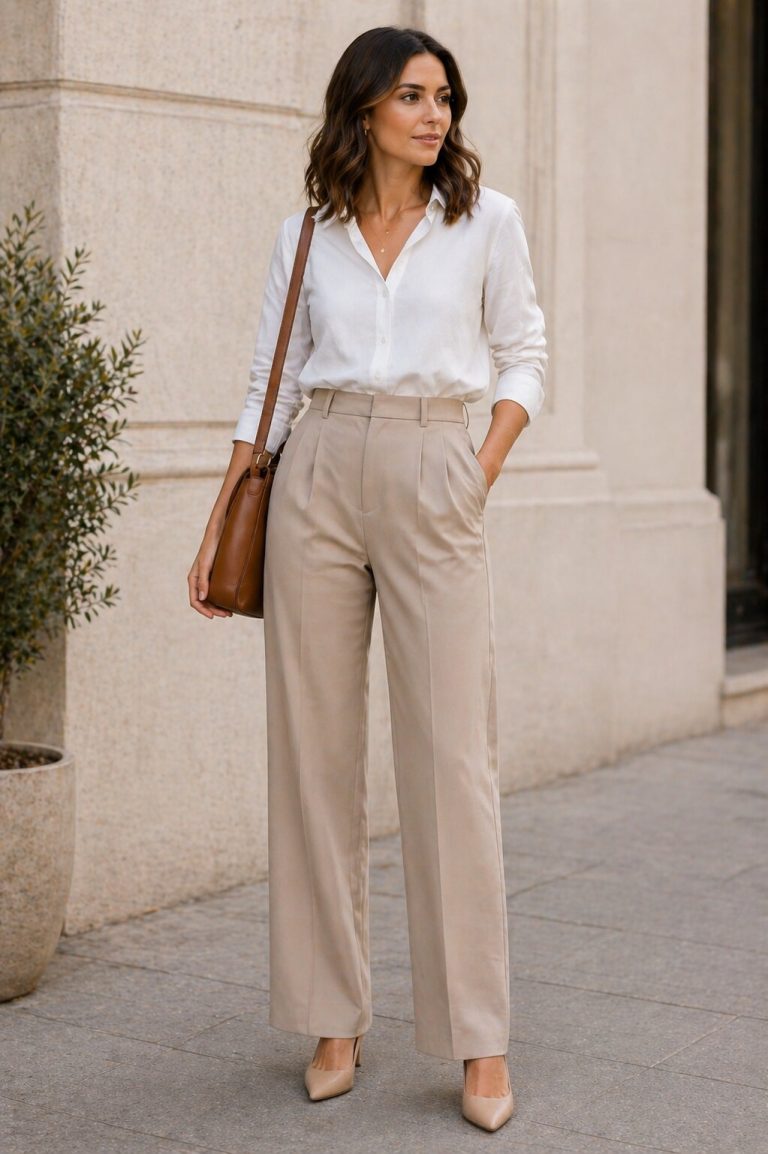
A rectangle body shape is often described as having shoulders, waist, and hips that are fairly similar in width. The waist may be less naturally defined, and the overall silhouette can look straight, balanced, or athletic. This shape is beautifully versatile because it can carry clean lines, modern tailoring, simple separates, and layered outfits very well.
The best rectangle body shape fashion tips are not about forcing curves where they do not naturally exist. They are about adding shape, softness, movement, and definition in a way that still feels like you. Some women with rectangle proportions love a sleek, minimal look. Others prefer outfits that create more waist definition or bring volume to the top and bottom half.
Once you understand how to work with your frame, dressing a rectangle body shape becomes much easier. The aim is to choose clothes that add interest without overwhelming your natural lines.
What Is A Rectangle Body Shape?
A rectangle body shape usually means the bust, waist, and hips are relatively similar in measurement. The body may look straighter through the torso, with less difference between the waist and hip. Rectangle shapes can be slim, petite, tall, athletic, curvy, or midsize.
This is why body shape advice should always be flexible. You might be a rectangle with a fuller bust, a rectangle with broad shoulders, or a rectangle with shorter legs and a longer torso. Your height, scale, and personal style matter just as much as your body shape.
If you are shorter as well as straighter through the frame, a guide to fashion tips for petite women can be especially useful alongside rectangle styling advice. Petite dressing often focuses on proportion, length, and scale, while rectangle dressing focuses more on creating shape and definition.
Create Waist Definition Without Overdoing It
Waist definition is one of the simplest ways to style a rectangle body shape. Since the waist may not be very pronounced naturally, clothing can help create that shape visually.
Belts are useful, but they are not the only answer. A tucked blouse, cropped jacket, wrap top, high-rise trouser, or dress with seam detail can all give the outfit a clearer centre point. Even a half-tuck at the front of a shirt can make a casual outfit look more balanced.
The key is to avoid pulling the waist in too tightly if it feels uncomfortable or unnatural. Soft definition usually looks more modern than an overly cinched silhouette. Think of a belted cardigan, a wrap dress that skims the body, or a blazer that gently narrows at the waist rather than a stiff, restrictive shape.
Use Layers To Build Shape
Layering works beautifully on rectangle body shapes because it creates dimension. A simple base outfit can be transformed with the right jacket, cardigan, waistcoat, or open shirt.
Straight-leg jeans and a fitted top can look more interesting with a cropped jacket. A column dress can feel more flattering with a cardigan that ends at the waist. A vest top and wide-leg trousers can look polished with a soft blazer worn open.
The length of each layer matters. Cropped layers help suggest a waist. Longline layers create a sleek vertical line. Open jackets and shirts can frame the torso, especially when worn over a slightly fitted base. If you prefer a relaxed style, try one structured piece with one softer piece so the outfit does not become too boxy.
Choose Tops With Shape, Texture Or Detail
Rectangle figures can wear simple tops well, but too many plain, straight pieces can sometimes make an outfit feel flat. Tops with shape, texture, or subtle detail can add softness and interest.
Wrap tops, peplum tops, tie-front blouses, ribbed knits, ruched tops, and softly gathered sleeves can all work well. A blouse with a slight puff sleeve can add shape to the upper body, while a sweetheart or scoop neckline can create a softer line around the chest.
If you prefer minimal clothing, choose tops with better fabric rather than obvious detail. A fine knit with a flattering neckline, a silk-style blouse, or a structured vest can look simple but still add polish. Small changes in fabric and cut often make more difference than loud prints or heavy embellishment.
Pick Dresses That Add Movement
Dresses are a great way to bring shape to a rectangle body type, especially when they include waist detail, movement, or curved seams. Wrap dresses are a classic option because they define the middle and create a flattering neckline. Fit-and-flare dresses can also work well because they add volume below the waist.
Shirt dresses are useful too, especially when they come with a belt or have a slightly softer fabric. A stiff shirt dress can look boxy, but a fluid one with a tie waist can feel easy and elegant. Midi dresses with tiers, ruching, bias cuts, or gathered waists can also create more movement.
If you love straight dresses, you do not have to avoid them. A column dress can look very chic on a rectangle frame. To make it feel more styled, add a cropped jacket, a belt, a long necklace, or shoes that bring a little contrast.
Balance The Top And Bottom Half
Because rectangle body shapes are often naturally balanced, you can play with volume on both the top and bottom half. This is one of the advantages of this shape. You can wear wide-leg trousers, fuller skirts, relaxed shirts, cropped jackets, and structured coats without everything looking too heavy, as long as the proportions are considered.
A good outfit formula is to add volume in one area and keep another area neater. Try wide-leg trousers with a fitted knit, a fuller skirt with a tucked blouse, or a relaxed shirt with slim jeans. If you want a more fashion-forward look, you can wear volume on both halves, but define the waist with a belt, crop, or tuck.
This same principle appears in broader body-type dressing advice. A helpful guide on how to dress for your body type can show how balance works across different shapes, from athletic to pear, petite, curvy, and rectangle proportions.
Make Trousers And Jeans Work Harder
Trousers and jeans can do a lot for a rectangle body shape. High-rise styles are especially useful because they visually lift the waistline and help create shape. Straight-leg, wide-leg, barrel-leg, and gently flared jeans can all work well.
Look for details that add interest around the hips or waist. Pleats, front seams, patch pockets, paper-bag waists, sailor buttons, or a slightly wider waistband can all help shape the lower half. If you prefer a clean look, choose trousers with beautiful drape and wear them with a tucked top or cropped knit.
Low-rise trousers can also suit rectangle figures, particularly if you like a relaxed, modern look. Just be aware that they may emphasise a straighter waist rather than define it. If that is the look you want, lean into it with a sleek top and longer jacket.
Try Skirts With Shape
Skirts are another easy way to add curve and movement. A-line skirts are especially flattering because they create width below the waist, giving the illusion of more shape through the hips. Pleated skirts, bias-cut skirts, wrap skirts, and softly gathered midi skirts can also work beautifully.
For casual outfits, try a denim A-line skirt with a tucked tee and ankle boots. For work, a pleated midi with a fine knit can look polished without feeling too formal. For evenings, a satin bias skirt with a fitted top and cropped jacket can create a soft, elegant shape.
The most important detail is where the skirt sits. A high-waisted skirt can create definition, while a mid-rise skirt may feel more relaxed. Try both and notice which one makes the outfit feel most balanced.
Avoid Clothes That Feel Too Boxy Everywhere
Rectangle body shapes can often carry relaxed fashion well, but an outfit can start to feel boxy if every piece is straight, oversized, and unstructured. A loose top, wide trousers, and a square jacket may look stylish on some days, but it can also hide your shape completely.
If you love oversized clothing, keep one point of definition. This could be a fitted top under a large blazer, a belt over a loose dress, slim trousers with an oversized jumper, or a cropped jacket with wide-leg jeans.
The aim is not to avoid relaxed style. It is to make sure the outfit still has a sense of shape. A little structure makes casual outfits look intentional rather than accidental.
Build A Rectangle Body Shape Wardrobe
A strong rectangle wardrobe usually includes pieces that can be mixed into different formulas. Useful items might include high-rise jeans, wide-leg trousers, wrap tops, cropped jackets, belted dresses, A-line skirts, ribbed knits, soft blouses, and relaxed blazers.
For everyday style, try straight-leg jeans, a tucked blouse, and a cropped jacket. For work, choose wide-leg trousers, a fine knit, and a softly tailored blazer. For weekends, wear a ribbed vest with relaxed trousers and an open shirt. For events, try a wrap dress or bias-cut midi with simple jewellery.
Writers who enjoy sharing practical outfit ideas like these may find Louie Boutique’s fashion writing opportunities page a natural place to contribute approachable style advice for real wardrobes.
Let Your Shape Influence Your Style, Not Limit It
The rectangle body shape has plenty of styling options. You can go sleek and minimal, soft and feminine, relaxed and casual, or polished and tailored. The most flattering outfits usually include some kind of shape, whether that comes from a waist detail, a layered jacket, a fuller skirt, or a thoughtful neckline.
Use these tips as guidance rather than rules. Notice which pieces make you feel more put together. Pay attention to where hems, waistbands, and layers sit on your frame. Once you know how to add definition and movement in a way that feels natural, dressing a rectangle body shape becomes simple, stylish, and much more enjoyable.