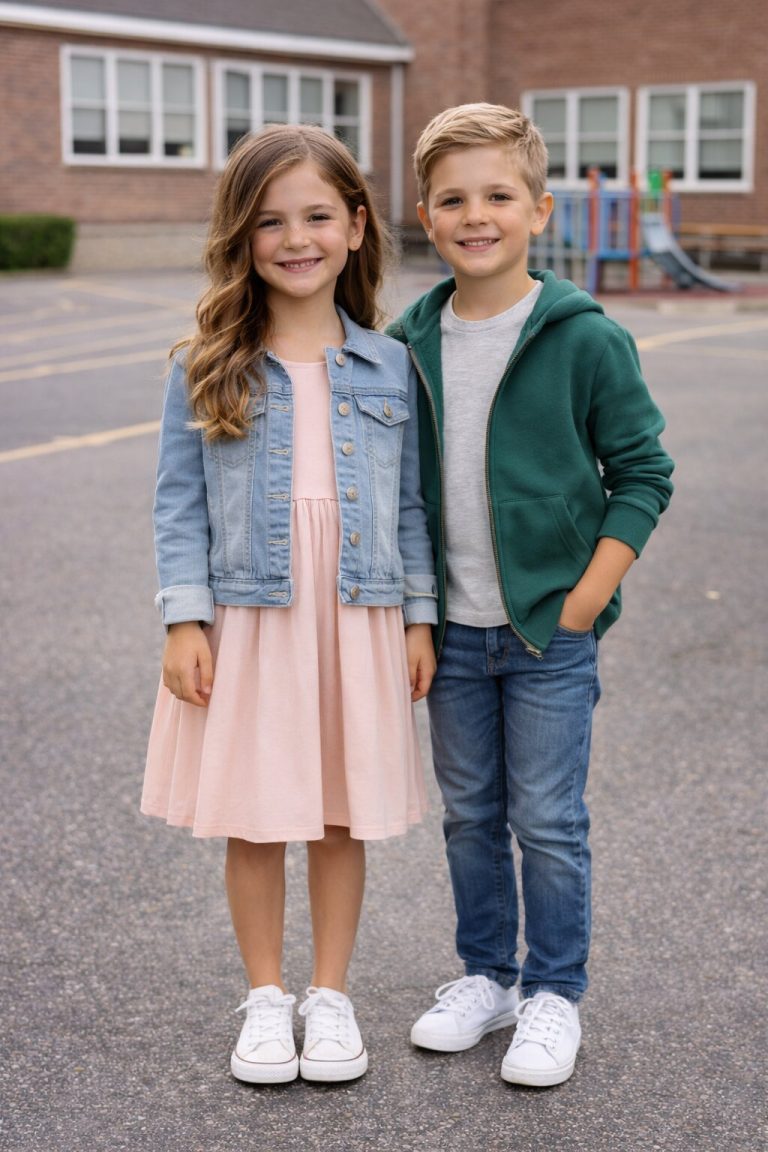
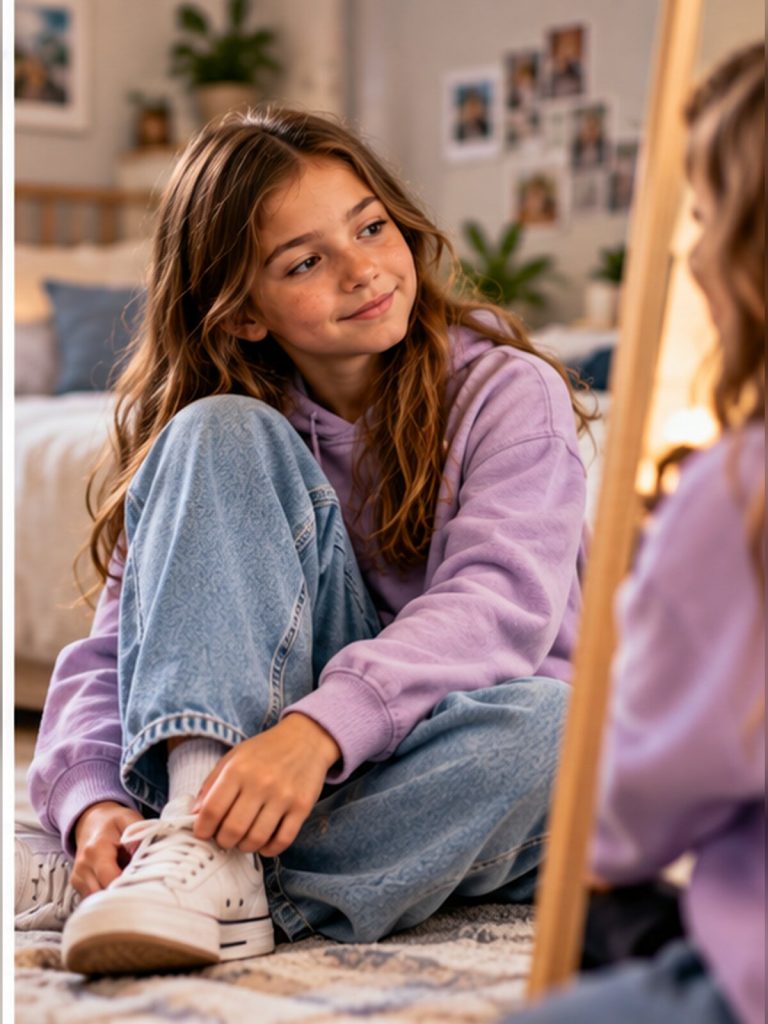
When selecting clothing for children, comfort should always be one of the most important considerations. Kids spend much of their day moving, playing, learning, and exploring, which means their clothing needs to support an active lifestyle. Clothes that feel comfortable allow children to focus on their activities instead of being distracted by tight fabrics, itchy materials, or restrictive designs.
Comfortable clothing also plays an important role in helping children feel confident. When kids enjoy wearing their clothes, they are more likely to feel relaxed, independent, and ready to take part in everyday activities.
Choosing comfortable clothing for children involves more than simply picking soft fabrics. Fit, flexibility, breathability, and practicality all contribute to how clothing feels throughout the day. By understanding these factors, parents can create wardrobes that support both comfort and style.
Prioritising Soft and Breathable Fabrics
The fabric used in clothing is one of the biggest factors influencing comfort. Soft materials that allow air to circulate tend to feel the most comfortable against children’s skin.
Cotton is one of the most popular choices for children’s clothing because it is naturally breathable and gentle. Cotton t-shirts, dresses, and sleepwear are often excellent everyday options because they help regulate body temperature and prevent overheating.
Bamboo fabric has also become increasingly popular in children’s clothing. It is known for its softness and moisture-wicking properties, which help keep children cool and comfortable during active play.
Natural fabrics generally work best for everyday wear because they allow the skin to breathe while maintaining a soft, lightweight feel.
Choosing Clothes That Allow Movement
Children rarely stay still for long. Whether they are running in the playground, climbing on furniture, or playing sports, their clothing needs to allow freedom of movement.
Clothes that are too tight or rigid can make it difficult for children to move comfortably. Stretch fabrics such as jersey knit, elastic waistbands, and flexible denim help clothing move with the body.
Leggings, joggers, and stretch jeans are particularly popular because they combine flexibility with durability. These types of garments allow children to move naturally without feeling restricted.
Clothing that supports movement often becomes a favourite for children because it feels easy to wear throughout the day.
Making Sure Clothes Fit Properly
Proper fit is another key factor in comfortable clothing. Clothes that are too tight may feel restrictive, while overly loose clothing can sometimes feel awkward during play.
Well-fitting clothing should allow children to move freely without slipping or bunching. Adjustable waistbands, elastic features, and flexible fabrics can help achieve the right balance.
Parents often find it helpful to choose clothing with a small amount of stretch, as this allows garments to adapt to different body shapes and movements.
Clothing that fits well not only feels more comfortable but also tends to look neater and more stylish.
Considering Seasonal Comfort
Children’s clothing should also reflect the season and weather conditions. Clothing that is appropriate for the temperature helps children remain comfortable throughout the day.
During warmer months, lightweight fabrics such as cotton and linen allow air circulation and prevent overheating. Short sleeves, loose-fitting garments, and breathable fabrics are ideal for summer.
In colder seasons, layering becomes important. Sweaters, jackets, and thermal fabrics help retain warmth while still allowing children to move comfortably.
Choosing clothing suited to the season helps ensure children stay comfortable both indoors and outdoors.
The Importance of Layering
Layering clothing is one of the most practical ways to manage changing temperatures.
Children often move between different environments during the day, such as outdoor playgrounds, classrooms, and indoor activities. Layering allows them to adjust their clothing as needed.
A typical layered outfit might include a t-shirt as the base layer, a sweater or hoodie for warmth, and a lightweight jacket for outdoor use.
This flexible approach allows children to stay comfortable regardless of small changes in temperature.
Avoiding Irritating Materials
Some clothing materials or construction details can cause discomfort for children.
Rough fabrics, thick seams, or scratchy labels may irritate sensitive skin. Children may not always be able to explain the source of their discomfort, but clothing irritation can quickly lead to frustration.
Choosing soft fabrics and checking seams can help avoid these problems. Tag-free clothing or garments with soft labels often feel more comfortable.
When possible, selecting clothing made from natural materials can reduce the likelihood of irritation.
Easy-to-Wear Designs
Practical clothing designs also contribute to comfort.
Children benefit from clothing that is easy to put on and take off. Elastic waistbands, simple buttons, and pull-on designs help simplify dressing.
These features are especially helpful for younger children who are learning to dress themselves. Easy-to-wear clothing encourages independence and confidence.
Simple designs also reduce the frustration that sometimes comes with complicated fastenings or tight closures.
Durable Clothing for Active Kids
Children’s clothing needs to be durable enough to handle everyday activity. Clothes that wear out quickly can become uncomfortable or inconvenient.
High-quality stitching, reinforced knees, and strong fabrics help clothing last longer even with frequent use.
Durable clothing also maintains its shape and softness after repeated washing. This ensures that garments remain comfortable over time.
Parents often find that investing in well-made clothing reduces the need for constant replacements.
Balancing Comfort and Style
Comfortable clothing does not have to mean sacrificing style. Many modern children’s clothing brands focus on designs that combine both elements.
Soft fabrics, relaxed silhouettes, and modern colour palettes allow children to feel comfortable while still looking stylish.
Simple outfits such as jeans paired with a cozy sweater or leggings combined with a relaxed sweatshirt can create looks that feel both fashionable and practical.
Children often develop their personal style through these everyday combinations.
Letting Kids Express Their Preferences
As children grow older, they often begin to develop clear preferences about the clothes they wear.
Some children prefer bright colours and patterns, while others enjoy simple or neutral designs. Allowing kids to have a voice in clothing choices can help them feel more confident and comfortable.
When children enjoy the clothing they wear, they are more likely to feel positive about getting dressed each day.
Balancing comfort with personal style helps create a wardrobe that children truly enjoy wearing.
Creating a Comfortable Everyday Wardrobe
Building a comfortable wardrobe for children doesn’t require a large number of clothing items. Instead, focusing on soft fabrics, flexible designs, and practical styles can create a collection of clothing that works well for everyday life.
By prioritising comfort, parents can help ensure that children feel confident, relaxed, and ready to take part in all the activities that make childhood exciting.
When clothing supports movement, comfort, and personal expression, it becomes much more than just something to wear—it becomes part of a child’s daily experience of exploring the world.