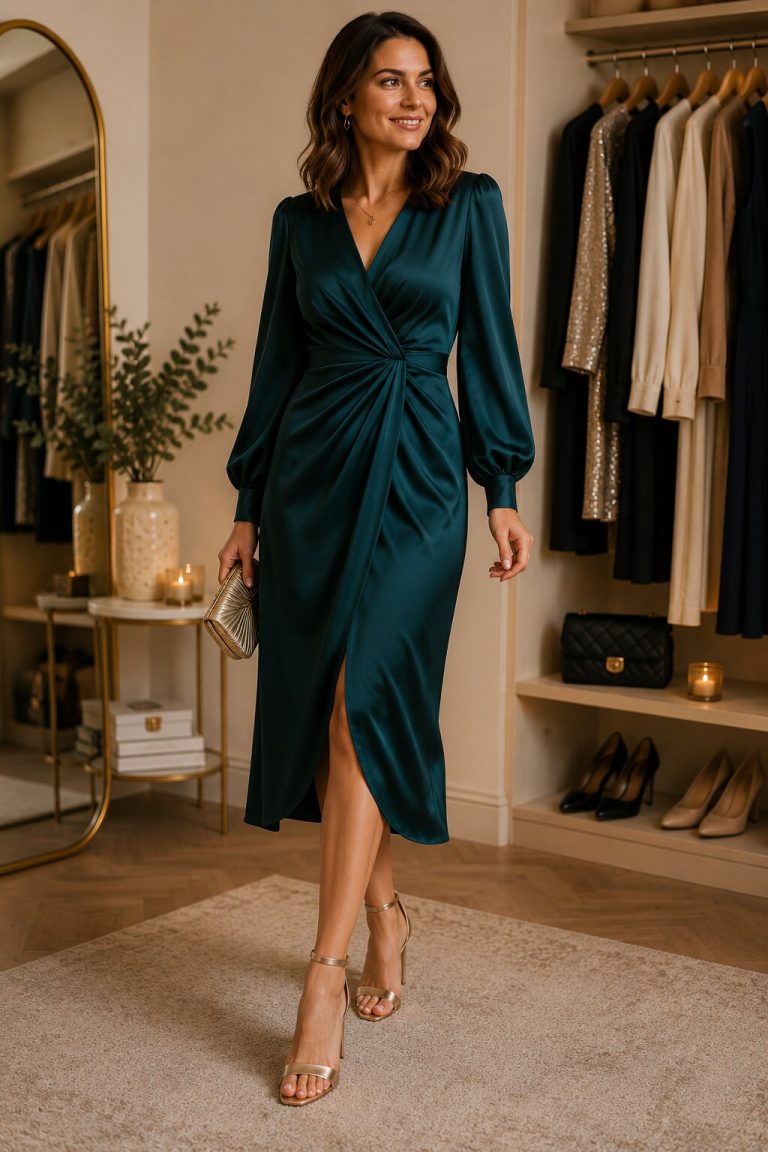
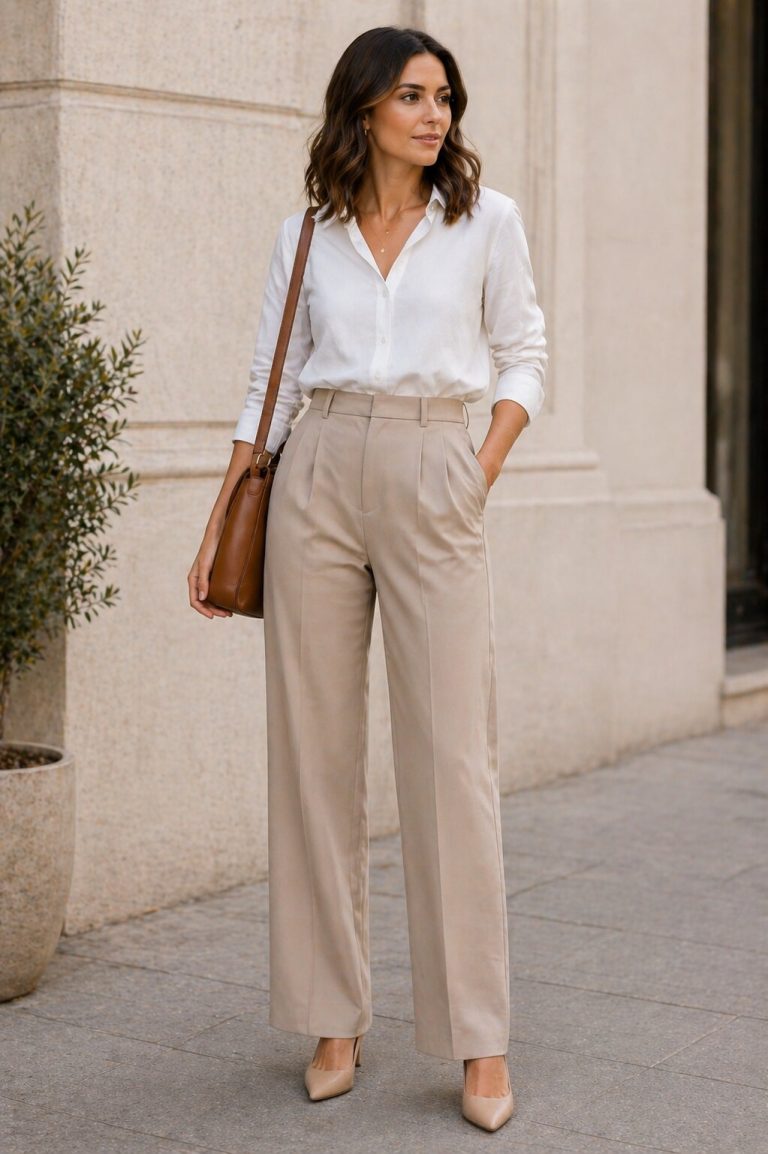
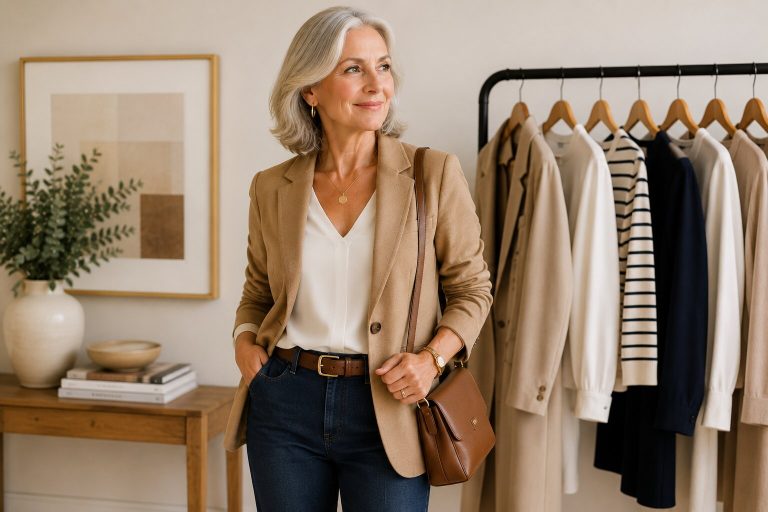
Accessories are often what turn an outfit from something basic into something complete. While clothing forms the foundation, accessories add the final layer of detail that makes everything feel intentional. The key is knowing which pieces to use, how to combine them and when to stop.
The idea is not to add as many accessories as possible, but to use a few well-chosen items that enhance what you are already wearing. When done well, accessories should feel effortless. They should not draw attention on their own, but instead bring the entire outfit together in a subtle, balanced way.
This guide focuses on simple, practical ways to use accessories to complete any outfit without overcomplicating the process.
Why Accessories Make The Difference
An outfit without accessories can sometimes feel unfinished, even if the clothing itself is well chosen. Accessories add small details that create structure, contrast and interest.
They also help define the overall tone of an outfit. The same clothing can feel more casual or more refined depending on the accessories you choose. This makes them one of the easiest ways to adjust your look without needing to change everything.
When used thoughtfully, accessories bring balance and cohesion, helping each part of the outfit work together.
Starting With The Essentials
The easiest way to approach accessories is to start with a few core pieces that work across most outfits. These should be simple, versatile and easy to wear regularly.
For most people, this includes:
- A reliable bag
- A pair of everyday shoes
- Minimal jewellery or a watch
- A belt where needed
These items form the base of your accessory choices. Once these are in place, you can make small adjustments depending on the outfit.
Keeping this foundation simple makes styling much easier.
Choosing One Standout Element
One of the simplest styling techniques is to choose a single standout accessory and keep everything else understated.
This could be:
- A structured bag
- A bold pair of shoes
- A slightly more noticeable piece of jewellery
By focusing on one element, you create a clear point of interest without overwhelming the outfit. The rest of the accessories should support this piece rather than compete with it.
This approach keeps things clean and intentional.
Keeping Jewellery Minimal
Jewellery is one of the most common ways to complete an outfit, but it is also where over-accessorising often happens.
A simple approach works best. A pair of earrings, a necklace or a bracelet is usually enough. Layering multiple pieces can work, but it requires careful balance to avoid clutter.
Keeping metals consistent, such as sticking to gold or silver, helps create a more cohesive look. Simple designs also make jewellery easier to pair with different outfits.
The aim is to add detail without distraction.
The Role Of Bags
A bag is both practical and stylistic, making it one of the most important accessories in any outfit.
Choosing the right bag depends on the setting. Larger bags work well for everyday use, while smaller, more structured options are better suited to more refined looks.
Neutral colours tend to be the most versatile, as they can be paired easily with different outfits. If you choose a more distinctive bag, it can act as your standout accessory, allowing the rest of the outfit to remain simple.
A well-chosen bag can anchor the entire look.
Shoes As A Finishing Touch
Shoes often have a bigger impact on an outfit than any other accessory. They can shift the tone from casual to smart or from relaxed to more structured.
Clean trainers create a simple, everyday look, while boots, loafers or heels can add a more polished feel. The key is to choose footwear that aligns with the rest of the outfit.
Coordinating shoes with other accessories, such as belts or bags, can also help create a more cohesive appearance.
Paying attention to footwear is one of the easiest ways to improve an outfit.
Using Colour Thoughtfully
Accessories are a great way to introduce colour into an outfit, but it is important to do so carefully.
Too many contrasting colours can make the outfit feel disjointed. Instead, it is usually more effective to keep the palette limited. One or two accent colours are often enough to add interest without overwhelming the look.
Neutral tones provide a strong base, allowing any colour you introduce to stand out in a controlled way.
This keeps the overall outfit balanced and easy to wear.
Matching Without Overmatching
There is often a temptation to match everything perfectly, but this can make an outfit feel too rigid. Instead, aim for coordination rather than exact matching.
For example, similar tones between shoes and a bag can create harmony without needing to be identical. The same applies to jewellery and other small details.
This approach creates a more natural, relaxed look.
Adapting To Different Occasions
Accessories should reflect the setting you are dressing for. For everyday wear, simple and practical pieces tend to work best. For more formal or structured occasions, slightly more refined accessories may be appropriate.
The key is to adjust rather than completely change your approach. Keeping your style consistent while making small changes ensures that your outfits always feel like you.
This makes dressing more straightforward and more authentic.
Avoiding Over-Accessorising
One of the easiest ways to improve your styling is to remove one item before leaving. This simple step helps prevent the outfit from feeling cluttered.
If everything is competing for attention, nothing stands out. Keeping accessories minimal ensures that each piece has a purpose.
It also makes the outfit feel more effortless, which is often the goal.
Building A Versatile Collection
A small, well-chosen collection of accessories is more useful than a large number of rarely worn items.
Focus on pieces that:
- Work across multiple outfits
- Feel comfortable to wear
- Suit your everyday style
Over time, this creates a reliable set of options that make getting dressed easier.
Adding new pieces gradually ensures that everything remains cohesive.
Keeping It Effortless
The best accessory styling feels natural. It does not look forced or overly planned, but instead comes together in a way that feels easy and balanced.
A few well-chosen pieces, combined with a strong base outfit, are usually all that is needed. When everything works together, the result is a look that feels complete without being overdone.
Accessories should support your style, not complicate it. When you keep things simple, they become one of the most effective tools for creating outfits that feel polished and confident.