Smart casual for kids can be surprisingly tricky. It sits somewhere between everyday clothes and formal occasionwear, which means there is plenty of room for confusion. Too relaxed, and the outfit can look like normal weekend wear. Too formal, and the child may feel stiff, uncomfortable, or overdressed.
The best kids smart casual outfits look neat, age-appropriate, and comfortable. They work for family meals, parties, school events, weddings with a relaxed dress code, christenings, birthdays, theatre trips, and special outings. The aim is not to make children look like miniature adults. It is to help them feel nicely dressed while still being able to move, play, sit, eat, and enjoy the occasion.
Knowing what to avoid can make the process much easier. Most smart casual mistakes are not about one specific item being “wrong”. They happen when the outfit is uncomfortable, poorly fitted, too delicate, too formal, or not practical for the child’s age and the event.
Avoid Clothes That Are Too Stiff
A stiff outfit may look smart for a photograph, but children need more freedom than that. Heavy blazers, rigid shirts, tight waistbands, scratchy collars, and formal trousers with no movement can make a child uncomfortable very quickly.
Smart casual should feel easier than formalwear. A soft blazer, knitted jacket, cotton shirt, polo shirt, relaxed chinos, smart trousers with stretch, or neat overshirt will usually work better than something overly structured. The outfit should look tidy, but it should not stop the child from moving naturally.
When trying clothes on, ask them to sit, bend, lift their arms, and walk around. If the child immediately starts tugging at the collar, pulling at the sleeves, or saying it feels annoying, it is probably not the right choice. Comfort is not a bonus in children’s clothing. It is essential.
Avoid Dressing Them Like Small Adults
Children can look smart without wearing adult-style outfits from head to toe. A full mini suit, shiny shoes, tie, waistcoat, and stiff shirt may be suitable for a very formal wedding, but it can feel too much for most smart casual occasions.
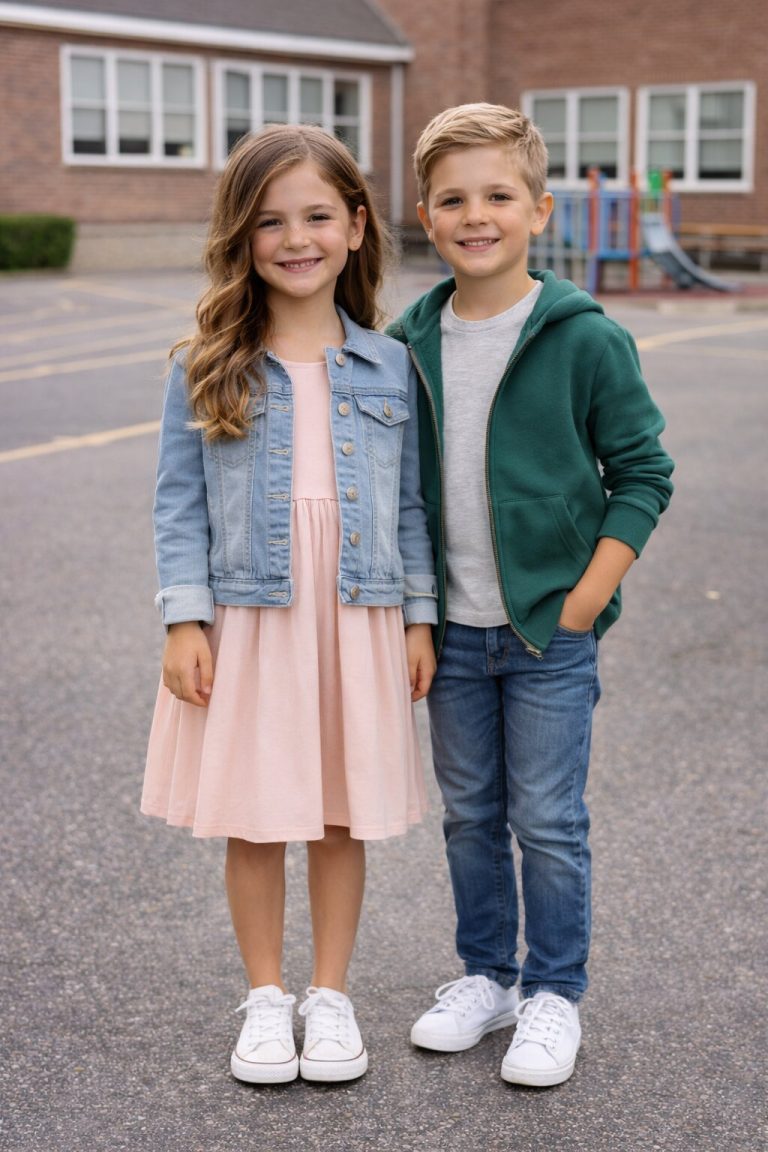
A better approach is to combine one smart piece with one relaxed piece. A blazer with chinos and clean trainers. A polo shirt with tailored trousers. A smart cardigan over a simple dress. A neat jacket with dark jeans. These combinations feel polished without looking forced.
The same applies to girls’ outfits. A dress does not need to be frilly, shiny, or overly grown-up to be smart. A simple cotton dress, knitted dress, shirt dress, or skirt with a cardigan can be much more wearable. Smart casual should still feel childlike, natural, and easy.
Avoid Poor Fit
Fit makes a huge difference to smart casual dressing. Clothes that are too big can look messy, while clothes that are too tight can look uncomfortable and feel restrictive. Because children grow quickly, it is tempting to buy several sizes up, but very oversized occasion clothes rarely look smart.
Trousers should sit comfortably at the waist without slipping down or digging in. Jackets should allow arm movement but should not drown the child. Shirts should button comfortably without pulling. Dresses and skirts should be a practical length for sitting and playing.
A little growing room is sensible, especially for jackets and trousers. Too much growing room can make the whole outfit look unfinished. If you want a piece to last, choose adjustable waistbands, flexible fabrics, and classic cuts rather than simply sizing up dramatically.
Avoid Shoes They Cannot Walk In
Shoes can ruin a smart casual outfit if they are uncomfortable. Stiff formal shoes, slippery soles, tight ballet flats, or brand-new shoes worn for a long day can quickly become a problem.
For smart casual occasions, shoes should be neat but practical. Clean trainers, loafers, ankle boots, Mary Janes, ballet flats with support, desert boots, or simple sandals can all work depending on the season and event. The cleaner and simpler the shoe, the smarter it will look.
Avoid shoes that have not been worn before if the event involves lots of walking or standing. It is always better to test them at home first. Children are unlikely to tolerate painful shoes politely for long, and nor should they have to.
Avoid Very Delicate Fabrics
Children’s smart casual outfits need to survive real life. Very delicate fabrics may look lovely, but they can be impractical for parties, meals, outdoor events, or long family days.
Silk-style fabrics, pale satin, scratchy lace, stiff tulle, and dry-clean-only pieces may not be the best choice unless the event is very controlled. For most occasions, cotton, jersey, soft twill, corduroy, denim, knitwear, linen blends, and washable fabrics are more useful.
This does not mean the outfit has to look plain. Texture can make practical fabrics feel special. A cord jacket, knitted cardigan, brushed cotton shirt, ribbed dress, or soft chino trouser can look smart while still being comfortable and wearable.
Avoid Too Many Statement Pieces
A smart casual outfit works best when there is one main point of interest. Too many bold pieces can make the outfit feel busy. A patterned shirt, bright jacket, colourful shoes, printed trousers, and statement accessory all together may look more chaotic than stylish.
Choose one feature and keep the rest simple. If the jacket has a check pattern, pair it with plain trousers. If the dress is colourful, choose simple shoes and a neutral cardigan. If the shoes are bright, keep the outfit calm. This helps the child look neatly dressed without the outfit overwhelming them.
Children can absolutely wear colour and print, but balance matters. Smart casual should feel cheerful and polished, not cluttered.
Avoid Clothes That Are Too Casual
Smart casual still needs some polish. Very worn trainers, sports shorts, faded hoodies, slogan T-shirts, tracksuit bottoms, leggings that look like gymwear, and distressed denim can feel too casual for many occasions.
That does not mean children need to look formal. It simply means choosing cleaner, neater versions of everyday clothes. A plain T-shirt under a blazer can work. A polo shirt is smarter than a sports top. Dark denim can be smarter than ripped jeans. Chinos are usually more polished than joggers. Clean trainers are often fine, but muddy or heavily worn ones will bring the outfit down.
If you are unsure, ask whether the outfit looks like something they would wear to an ordinary playdate. If the answer is yes, add one smarter element: a jacket, cardigan, better shoes, neat trousers, or a collared top.
Avoid Overly Formal Accessories
Accessories can help finish a child’s outfit, but too many formal details can feel uncomfortable or unnecessary. Ties, bow ties, braces, belts, hats, and hair accessories can look charming, but they should suit the child and the occasion.
For smart casual, keep accessories simple. A neat belt, small hair bow, simple headband, cardigan, smart socks, or practical bag is usually enough. If a child dislikes a tie or keeps pulling off a hair accessory, it may not be worth the battle.
Accessories should never get in the way of comfort. A child who feels relaxed will usually look better than one who feels overstyled.
Avoid Ignoring The Weather
Smart casual outfits should work for the actual day, not just the dress code. A beautiful outfit is not useful if the child is too cold, too hot, or unable to play outside.
For summer, choose breathable fabrics, lighter colours, short sleeves, linen blends, cotton dresses, smart shorts, or lightweight jackets. For winter, think about layers: knitwear, coats, tights, boots, cord trousers, wool-style jackets, and warm cardigans.
Outdoor events need extra planning. Grass, mud, rain, wind, and temperature changes can all affect what is practical. A child wearing delicate shoes at a garden party may struggle. A child in a heavy blazer on a hot day will be uncomfortable. Practicality should guide the outfit.
Avoid Buying Something They Will Never Wear Again
It is easy to buy a smart casual outfit for one event and then realise it has no place in the child’s normal wardrobe. This can be expensive and wasteful, especially when children grow quickly.
Try to choose pieces that can be worn again separately. A smart jacket can be worn with jeans later. Chinos can be worn for meals out. A simple dress can work with trainers another day. A cardigan can be used throughout the season. Smart shoes should be practical enough for more than one occasion.
The most useful kids smart casual clothes are versatile. They can be dressed up for an event, then worn more casually afterwards.
Avoid Leaving The Child Out Of The Decision
Children often have strong opinions about what they wear. Ignoring those opinions can lead to discomfort, fuss, or an outfit they refuse to keep on. You do not need to let them choose anything they like, but offering a small choice helps.
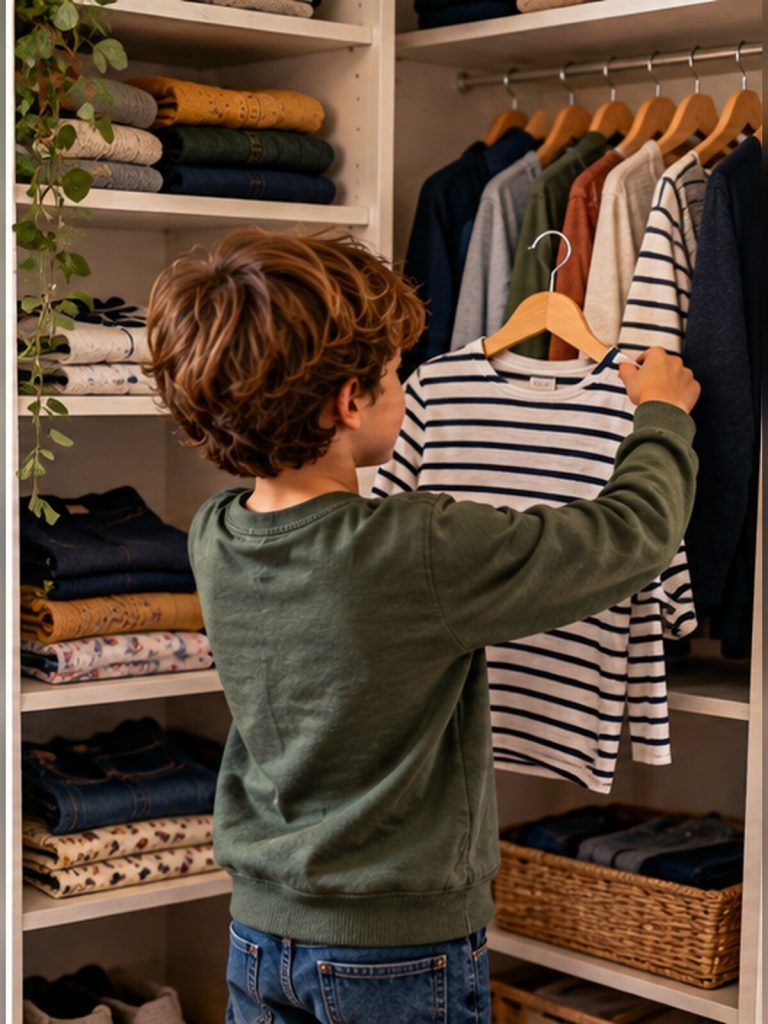
For example, ask whether they prefer the navy jacket or the green one, the loafers or the clean trainers, the striped shirt or the plain polo. This gives them a sense of control while keeping the outfit appropriate.
A child who likes their outfit is more likely to wear it confidently. Confidence matters, even for children.
What To Choose Instead
Instead of stiff formalwear, choose soft structure. Instead of tired casual clothes, choose neater everyday pieces. Instead of uncomfortable shoes, choose smart practical footwear. Instead of one-use occasionwear, choose versatile items that can be styled again.
A good kids smart casual outfit might include chinos, a polo shirt, a soft blazer, and clean trainers. Or a cotton dress with a cardigan and ankle boots. Or dark jeans with a shirt, overshirt, and loafers. Or tailored trousers with a knitted jumper and neat shoes.
The best outfits look tidy but still feel easy. They allow the child to enjoy the event without thinking constantly about their clothes.
At Louie Boutique, we like practical fashion advice that helps families dress well without overcomplicating things. If you enjoy writing about children’s style, occasion outfits, or everyday wardrobe ideas, our family fashion guest post opportunities page is a lovely place to share your advice.
Smart casual for kids is about balance. Avoid anything too stiff, too delicate, too grown-up, too casual, or too uncomfortable. Choose clothes that fit well, feel good, and can be worn again. When children feel comfortable and look neat, the outfit has done its job.