Children’s fashion is evolving faster than ever. What kids wear today reflects a mix of comfort, creativity, practicality, and inspiration drawn from adult fashion trends. Parents are increasingly looking for clothing that allows children to move freely while still feeling stylish and modern.
In recent years, the way children dress has shifted significantly. Instead of overly formal outfits or impractical clothing, families are choosing versatile pieces that can transition easily between school, playtime, family outings, and special occasions. Comfort, durability, and sustainability have all become major influences in kids’ clothing design.
At the same time, children are developing their own sense of style at younger ages. Many kids enjoy choosing their outfits and experimenting with colours, textures, and accessories that express their personality.
Below are some of the most notable kids fashion trends to watch this year, from relaxed everyday styles to emerging design influences shaping the future of children’s clothing.
Comfort-First Clothing Is Leading the Way
Perhaps the most noticeable trend in kids fashion today is the shift toward comfort-first clothing.
Parents and designers alike are recognising that children spend much of their day moving, playing, and exploring. Clothing therefore needs to support an active lifestyle while still looking stylish.
Soft fabrics, relaxed fits, and flexible materials are becoming increasingly popular. Joggers, oversized sweatshirts, stretch denim, and soft knitwear are now common staples in many children’s wardrobes.
These comfortable pieces allow kids to move freely while still maintaining a polished look. A relaxed sweatshirt paired with leggings or jeans, for example, creates an outfit that feels casual but still stylish enough for school or outings.
Comfortable clothing also tends to be worn more frequently, making it a practical investment for parents.
Neutral Colours and Soft Tones
Another major trend in kids fashion is the growing popularity of neutral colour palettes.
Soft shades such as beige, cream, light grey, muted olive, and dusty pink are appearing more frequently in children’s clothing collections. These colours create calm, modern outfits that feel versatile and easy to combine.
Neutral tones are particularly useful because they allow multiple clothing pieces to work together. A beige sweater, for example, can easily be paired with denim, leggings, or a skirt without clashing with other colours.
While bright colours still have their place in kids fashion, many families are embracing softer palettes that create a more timeless look.
Vintage and Retro Influences
Fashion often moves in cycles, and children’s clothing is no exception. Many current trends are inspired by vintage styles that have returned to popularity in recent years.
Retro-inspired denim jackets, classic cardigans, corduroy trousers, and simple cotton dresses are becoming more common in modern kids fashion collections.
These styles often feel both nostalgic and practical. Vintage-inspired pieces tend to focus on durable fabrics and timeless designs, making them ideal for everyday wear.
Parents often appreciate these styles because they combine classic aesthetics with modern comfort.
Layering for Style and Practicality
Layering has become an important styling technique in children’s fashion.
Because weather conditions can change throughout the day, layered outfits allow children to adapt easily by adding or removing clothing pieces.
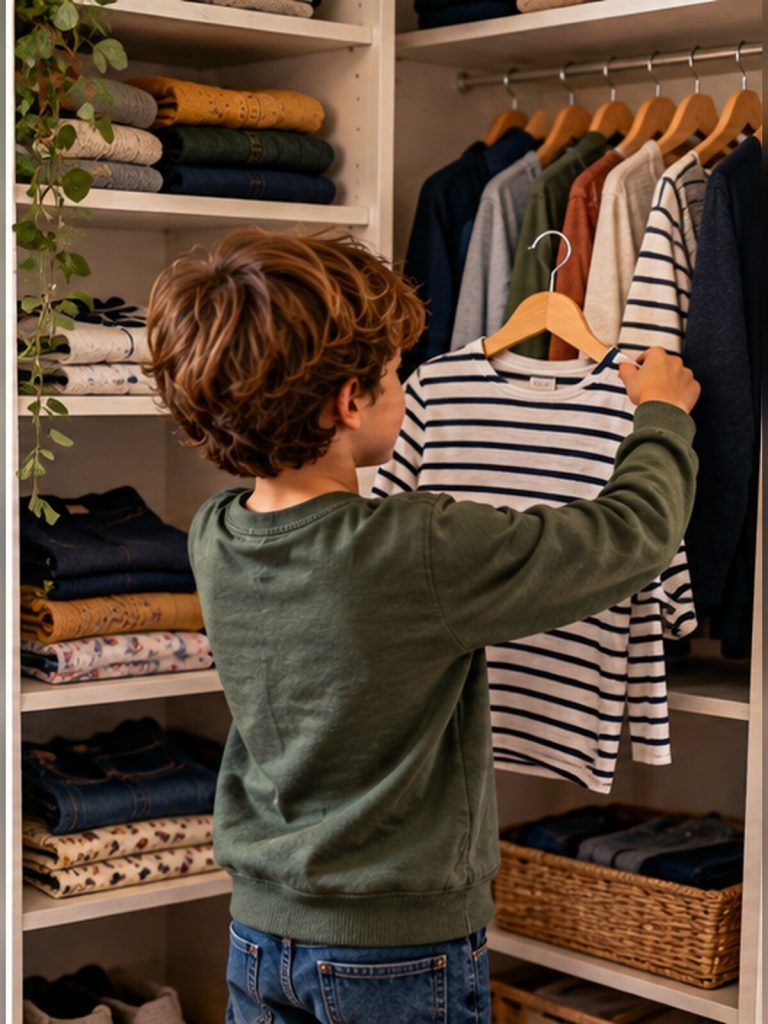
For example, a basic outfit might start with a t-shirt and jeans. Adding a cardigan, denim jacket, or lightweight sweater can transform the look while also providing warmth.
Layering also adds visual interest to outfits. Combining different textures, colours, and fabrics can make even simple clothing combinations feel stylish.
Children’s wardrobes increasingly include versatile layering pieces such as cardigans, zip-up hoodies, lightweight jackets, and overshirts.
Sustainable Fashion Choices
Sustainability is becoming an increasingly important topic within the fashion industry, and children’s clothing is no exception.
Many parents are now paying closer attention to how clothing is made and what materials are used. As a result, brands are introducing more environmentally friendly fabrics such as organic cotton, recycled fibres, and responsibly sourced materials.
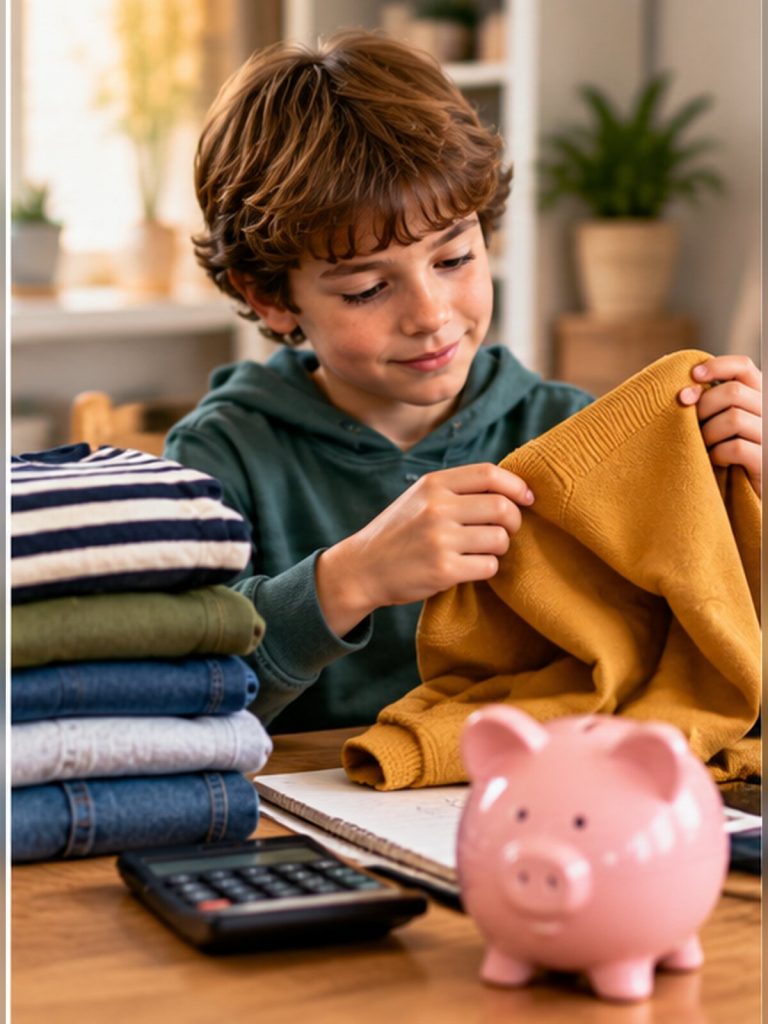
Sustainable fashion doesn’t necessarily mean sacrificing style. In fact, many eco-conscious clothing lines focus on simple, timeless designs that remain fashionable for longer periods.
Durability is also a key part of sustainability. Clothing that lasts longer reduces the need for frequent replacements, which can help reduce environmental impact.
Playful Patterns and Creative Designs
While neutral colours and minimalist designs are trending, playful patterns remain a beloved part of kids fashion.
Children often enjoy clothing that reflects their imagination and personality. Graphic prints, colourful illustrations, animal motifs, and whimsical patterns add fun and creativity to everyday outfits.
Graphic t-shirts featuring animals, stars, or playful slogans are especially popular. Patterned dresses and colourful sweaters can also add energy to a child’s wardrobe.
These playful designs help balance the more minimal trends currently seen in kids clothing.
Athleisure for Everyday Wear
Athleisure — clothing inspired by athletic wear — continues to influence children’s fashion.
Joggers, hoodies, sporty jackets, and athletic-style sneakers have become everyday wardrobe staples. These pieces offer the perfect combination of comfort and practicality while still looking modern.
Athleisure works especially well for busy school days or active weekends. Children can run, climb, and play comfortably while still wearing outfits that feel stylish.
Many athleisure pieces also pair easily with more traditional clothing items, creating versatile outfit combinations.
Accessories That Add Personality
Accessories are becoming increasingly popular in kids fashion.
Small items such as hats, backpacks, scarves, and colourful sneakers can transform a simple outfit into something more distinctive.
For example, a basic jeans-and-sweater outfit can feel entirely different when paired with a bright backpack or patterned sneakers.
Accessories allow children to experiment with style while still wearing comfortable everyday clothing.
Gender-Neutral Fashion Is Growing
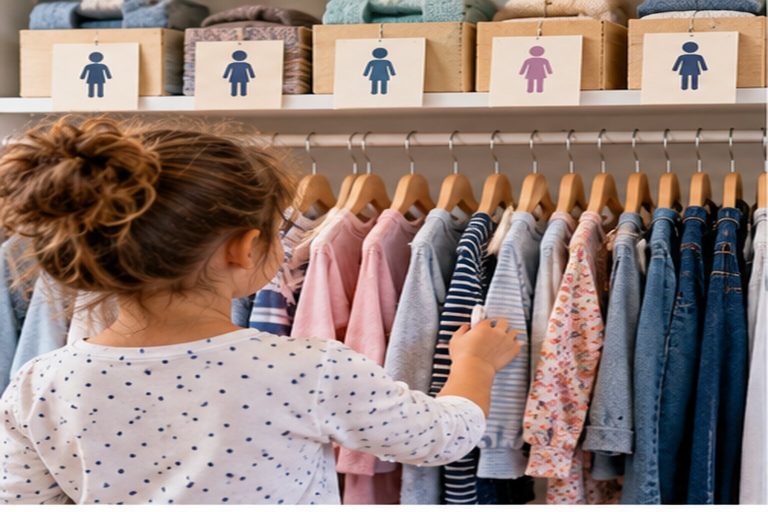
Another noticeable shift in children’s fashion is the rise of gender-neutral clothing.
Many clothing brands are designing collections that focus on colours, patterns, and silhouettes that can be worn by any child. Instead of strictly separating boys’ and girls’ clothing, these collections emphasize comfort, simplicity, and versatility.
Gender-neutral fashion often features relaxed fits, neutral colour palettes, and practical designs that work for many different styles.
This approach allows children greater freedom in choosing clothing that reflects their personality rather than traditional fashion categories.
Practical Clothing for Everyday Life
Parents today are also prioritising practicality when selecting children’s clothing.
Durable fabrics, easy-care materials, and designs that allow freedom of movement are becoming more important than purely decorative clothing.
Items such as stretch denim, reinforced knees, adjustable waistbands, and washable fabrics help ensure clothing remains practical for daily use.
Practical clothing helps children stay comfortable throughout the day while reducing stress for parents managing laundry and wardrobe upkeep.
Where Kids Fashion Is Heading
Kids fashion continues to evolve as families balance style, comfort, and practicality. The trends shaping children’s clothing today reflect a growing emphasis on versatility, sustainability, and self-expression.
Comfort-first designs, neutral colour palettes, and vintage-inspired pieces are creating wardrobes that feel modern yet timeless. At the same time, playful patterns and creative accessories allow children to express their individuality.
As these trends continue to develop, children’s fashion will likely remain focused on clothing that supports active lifestyles while encouraging creativity and personal style.
In the end, the most important trend is one that never goes out of fashion: clothing that helps kids feel comfortable, confident, and ready for whatever the day brings.