Accessories have the power to completely transform an outfit. They can add personality, elevate simple pieces and bring everything together in a way that feels intentional and polished. At the same time, they are one of the easiest areas to get wrong. Too many accessories, or the wrong combination, can quickly make an outfit feel cluttered or overstyled.
The key to styling accessories well is restraint. It is about choosing the right pieces, rather than more pieces, and understanding how they work with the rest of your outfit. When done well, accessories should feel like a natural extension of what you are wearing, not something that competes for attention.
This guide explores how to style accessories in a way that feels balanced, effortless and appropriate for everyday wear.
Why Less Often Works Better
One of the most common mistakes when it comes to accessories is assuming that more will always improve an outfit. In reality, the opposite is often true. A few well-chosen pieces tend to have a stronger impact than multiple items competing for attention.
Accessories are most effective when they complement your clothing rather than dominate it. They should add small details that enhance the overall look without distracting from it. This approach keeps outfits feeling clean and cohesive.
Focusing on quality and simplicity makes it easier to build outfits that feel polished without being overcomplicated.
Starting With A Strong Base Outfit
Before adding accessories, it helps to ensure that the base outfit works on its own. Well-fitting clothing in complementary colours creates a solid foundation, making it easier to layer in additional details.
When the outfit already feels balanced, accessories can be used to refine it rather than fix it. This leads to a more natural result, where everything works together seamlessly.
If the outfit feels incomplete without accessories, it may be worth adjusting the clothing first before adding extra elements.
Choosing A Focal Point
A simple way to avoid overdoing accessories is to choose one focal point. This could be a statement necklace, a structured bag or a standout pair of shoes.
Once you have a focal point, the rest of the accessories should support it rather than compete with it. This creates a clear sense of balance and prevents the outfit from feeling busy.
For example, if you are wearing a bold piece of jewellery, keeping other accessories minimal helps maintain a clean look. If your bag or shoes are more distinctive, the rest of the outfit can remain understated.
This approach keeps styling simple and intentional.
Balancing Jewellery
Jewellery is one of the easiest ways to add detail to an outfit, but it is also one of the areas where overdoing it can happen quickly.
A good starting point is to choose a few key pieces rather than layering multiple items. For example, a pair of earrings and a simple necklace may be enough to complete the look. Adding too many rings, bracelets or layered pieces can make the outfit feel crowded.
It also helps to keep styles consistent. Mixing too many different metals or designs can disrupt the overall balance. Choosing pieces that work together creates a more cohesive appearance.
The goal is to enhance the outfit, not to overwhelm it.
Bags As A Styling Element
A bag is both practical and stylistic, making it one of the most important accessories in any outfit. The right bag can help define the overall look without requiring additional effort.
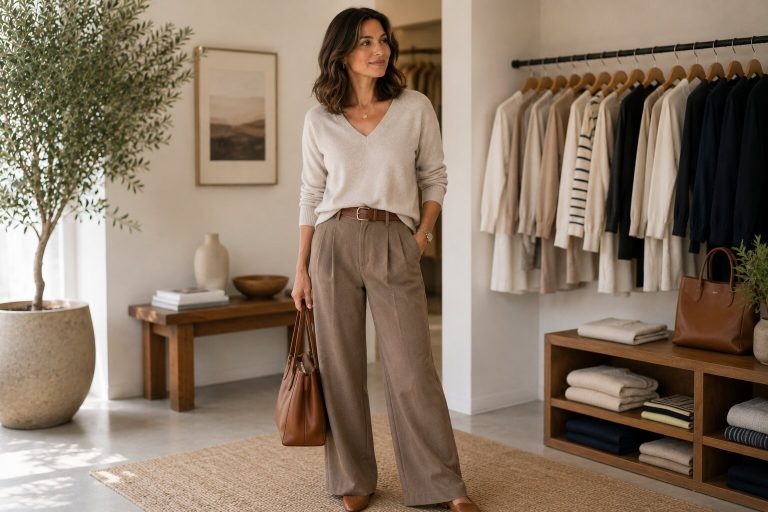
Simple, structured designs in neutral tones tend to be the most versatile. They work across a range of outfits and help maintain a clean aesthetic. More detailed or colourful bags can still work, but they are best used as a focal point, with the rest of the outfit kept relatively simple.
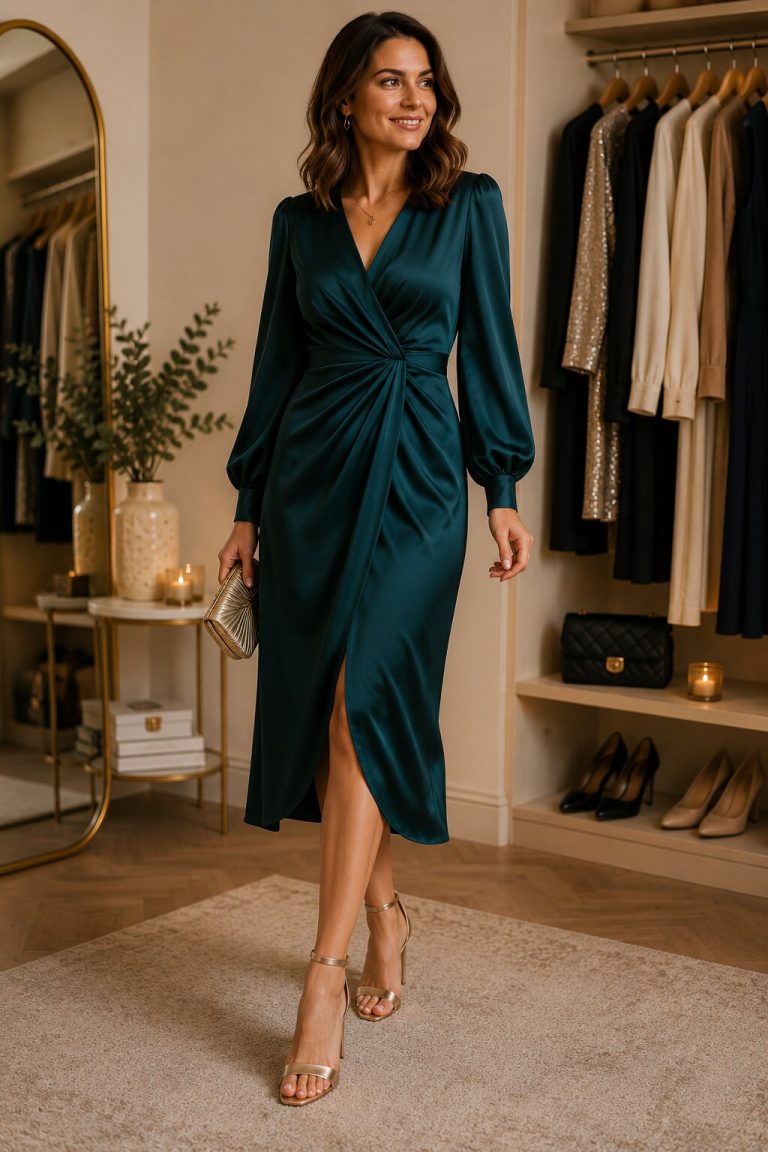
The size of the bag should also match the setting. Larger bags work well for everyday use, while smaller options are better suited to more refined or evening looks.
Choosing a bag that complements the outfit helps create a more balanced result.
Footwear And Accessories Together
Shoes play a major role in how accessories come together. They can either support the overall look or create contrast, depending on how they are styled.
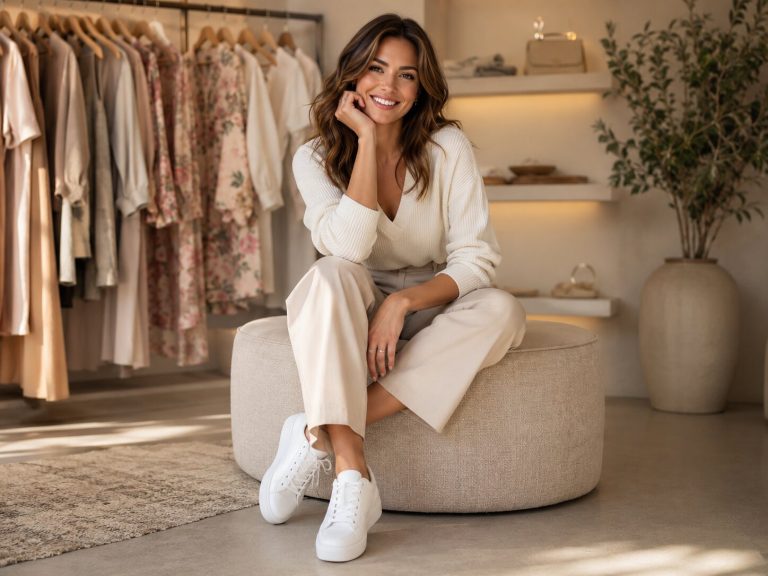
Keeping footwear in line with the rest of the outfit helps maintain balance. For example, clean trainers can work well with minimal jewellery and a simple bag, while heels or boots may pair better with slightly more refined accessories.
Coordinating colours and materials can also help. Matching tones across shoes and bags, for example, creates a more cohesive look without needing additional accessories.
This subtle coordination often makes a bigger difference than adding more items.
Using Colour Carefully
Colour is an important factor when styling accessories. Too many contrasting colours can make an outfit feel disjointed, while a more limited palette creates a sense of cohesion.
Neutral tones are often the easiest to work with, as they can be paired with a wide range of outfits. If you choose to introduce colour through accessories, keeping it to one or two elements helps maintain balance.
For example, a coloured bag or a pair of statement earrings can add interest, but combining multiple bold pieces may feel overwhelming.
Using colour thoughtfully allows accessories to stand out in the right way.
Adapting Accessories To The Occasion
Different settings call for different approaches to accessorising. For everyday wear, a minimal approach tends to work best, with simple jewellery, practical bags and comfortable footwear.
For more structured or evening settings, accessories can be slightly more refined, but the principle of balance still applies. Even in dressier outfits, it is usually better to focus on a few key pieces rather than layering multiple elements.
Adjusting accessories based on the occasion helps maintain a consistent style without overcomplicating things.
Avoiding Common Styling Mistakes
One of the most common mistakes is adding accessories without a clear plan. This can lead to outfits that feel cluttered or inconsistent.
Another issue is choosing pieces that do not work together. Mixing too many styles, colours or materials can disrupt the overall look.
It is also important to avoid relying on accessories to compensate for an outfit that does not feel right. Accessories should enhance, not fix.
Keeping things simple and intentional usually leads to better results.
Building A Reliable Collection
A small collection of versatile accessories can make styling much easier. Items such as simple jewellery, a reliable bag and a few pairs of shoes can cover most situations.
Choosing pieces that work well together allows you to create multiple combinations without needing to constantly add new items. This approach keeps your wardrobe practical and consistent.
Over time, this collection can be expanded gradually, but the focus should remain on quality and versatility.
Keeping It Effortless
The best accessorised outfits feel natural. They do not look overthought or overly styled, but instead come together in a way that feels easy and balanced.
A few well-chosen pieces, combined with a strong base outfit, are usually all that is needed. When everything works together, accessories enhance the overall look without drawing too much attention to themselves.
Understanding how to style accessories without overdoing it allows you to create outfits that feel polished, confident and effortless—no matter the occasion.